That number stopped me cold: 154,500.
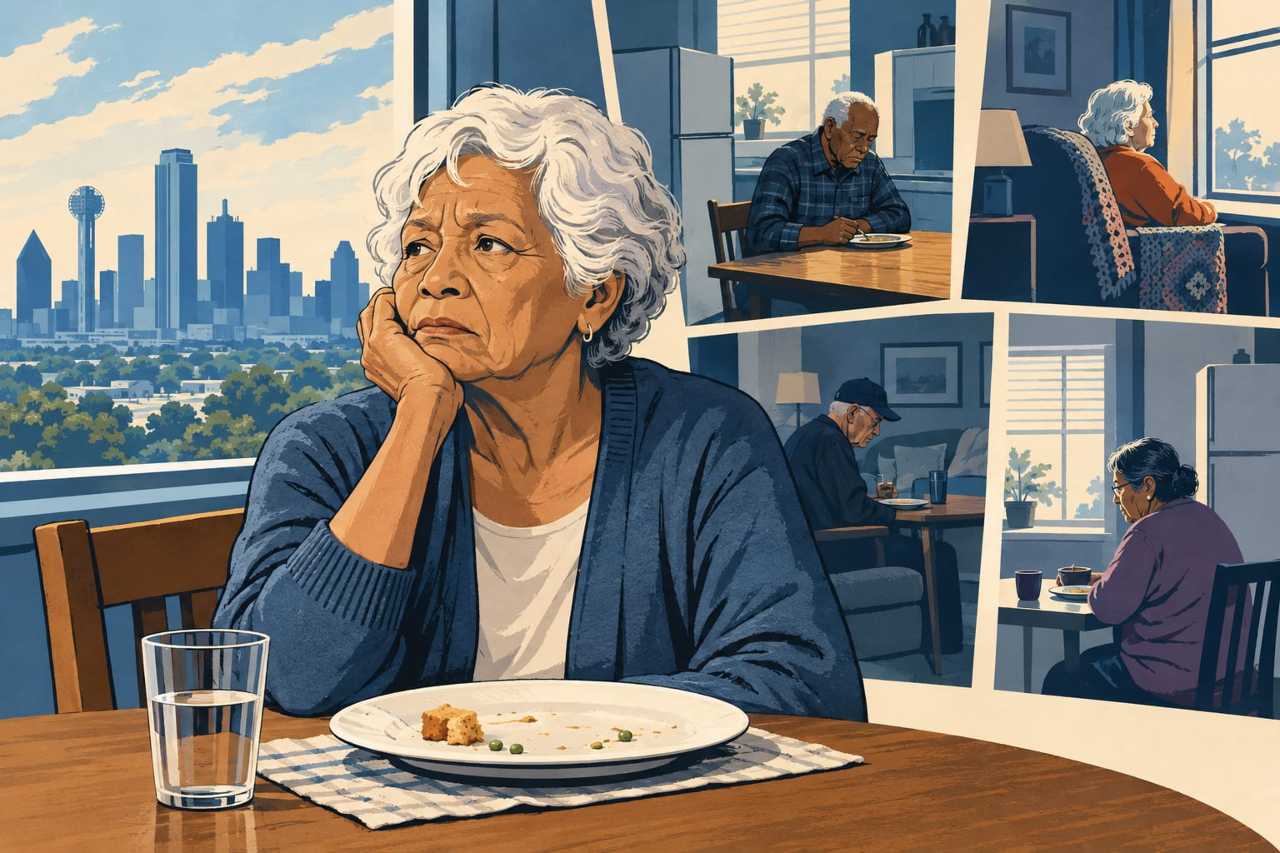
That's how many older adults in North Texas are facing hunger right now, according to a new report calling them "the forgotten hungry." Not forgotten because nobody cares. Forgotten because nobody's looking.
Why Isolation Is the Real Problem
Here's what gets me about this story. It's not just about food. It's about being alone.
Many of these 154,500 people aren't showing up at food pantries or waving a hand for help. They're isolated at home. No car. No neighbor checking in. No family close by. Maybe a fixed income that stretches less every year while rent and groceries climb.
When you're isolated, hunger hides. Nobody sees an empty fridge through a closed door. Nobody notices you've skipped dinner three nights this week because the check didn't cover both the electric bill and groceries.
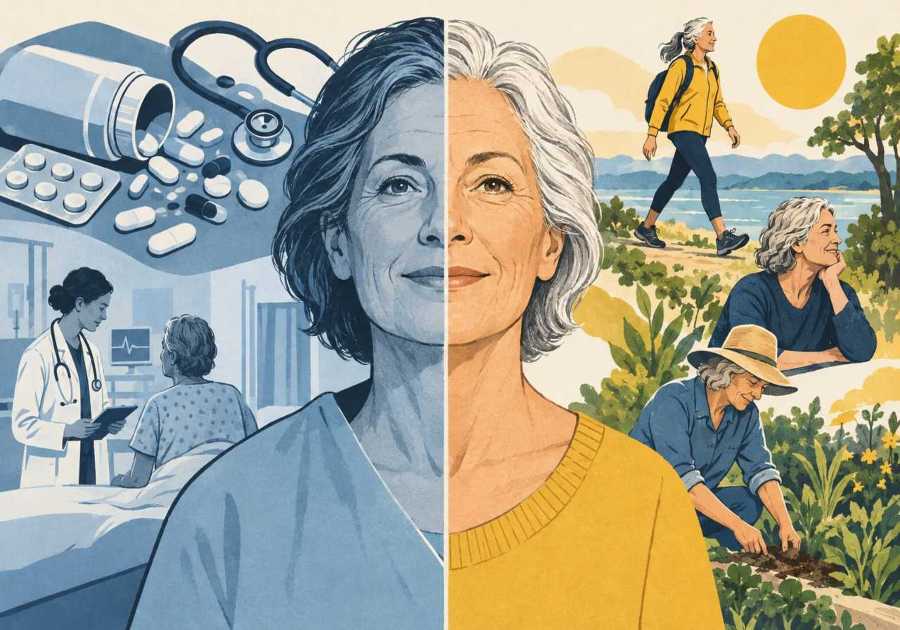
I've met plenty of older folks on the road these past eight years — since 2017, when I started traveling full-time. Some live in RVs by choice, chasing mountains and coastlines. Others are stuck in apartments they never leave, not because they don't want adventure, but because isolation crept in quietly and nobody came to pull them back out.
That contrast says something important: isolation isn't really about age. It's about connection. Or the lack of it.
The Math Behind the Hunger
Why does this happen in a region as large and prosperous as North Texas? Dallas-Fort Worth is booming. New skyscrapers, new jobs, new money.
But growth doesn't automatically lift everyone. Rising housing costs push on fixed incomes that don't rise with them. Social Security adjustments rarely keep pace with real-world grocery bills. A senior living alone on $1,200 a month doesn't get a raise when eggs jump 40%.
Add mobility issues, no transportation, maybe early memory loss or a health condition that makes it hard to cook — and suddenly skipping meals becomes a quiet, invisible habit instead of an emergency anyone notices.
That's the "forgotten" part. Nobody's banging on the door asking for help. The system waits for people to ask. Isolated people often don't.
So What Can Actually Change This?
This is where curiosity matters more than sympathy. Feeling bad about 154,500 people doesn't feed one of them. So what actually works?
Programs like Meals on Wheels do more than deliver food — they deliver a face. A quick hello. A set of eyes that might notice if something's wrong. That daily contact can matter as much as the meal itself.
Food banks that partner with apartment complexes and senior housing communities reach people who can't drive to a pantry. Volunteer check-in calls, simple as they sound, pull isolated seniors back into a web of human contact.
And here's a question worth asking: why do we wait until someone's already isolated to intervene? What if neighborhoods built in regular contact before people disappear behind closed doors — the way small towns used to, where someone always noticed if your lights were off three nights running?
Why This Should Matter to You
Maybe you're not 80. Maybe you're not facing hunger. But stick with me here — because this story isn't really about "them." It's about what getting older can look like if we let isolation win.
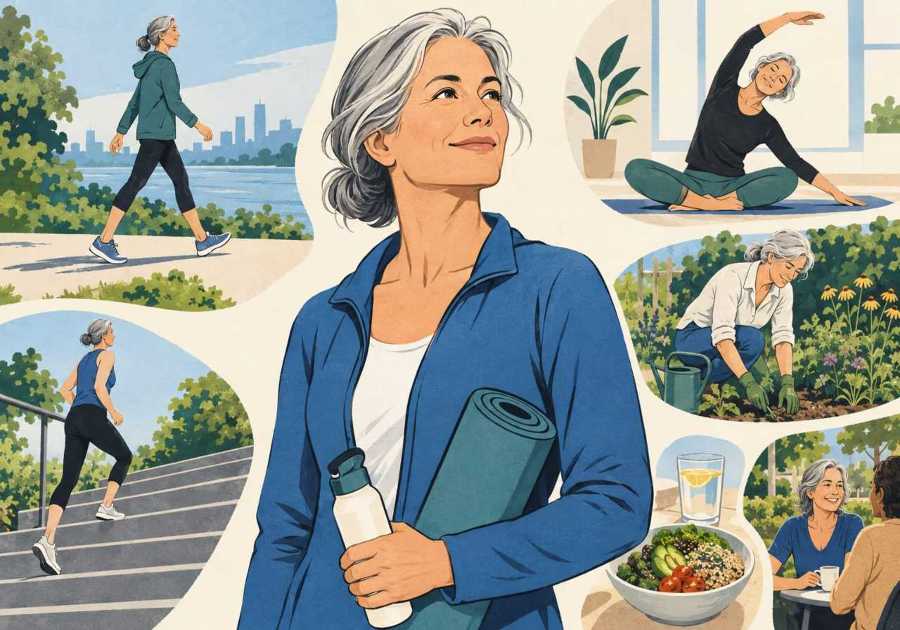
I'm closing in on 70 myself. I've chosen a life of movement — new cities, new people, new conversations nearly every week. Not because I'm trying to outrun age, but because staying curious and staying connected is what keeps life interesting at any stage.
The 154,500 people in this report didn't choose isolation. Most didn't choose hunger either. But their story is a warning shot for the rest of us: connection isn't optional as we age. It's survival.
If you've got an older neighbor you haven't checked on in a while, that's your move right now. A five-minute knock on a door might matter more than you think.
Because the forgotten only stay forgotten if nobody shows up.
Source: The Cool Down
Before this, we covered: Why I Stopped Chasing Eight Hours and Started Paying Attention to My Sleep Instead