Eddie Brocklesby didn't pick up a pair of running shoes until she was 50 years old. She didn't start swimming competitively until even later than that. So how did she end up finishing six Ironman races, including one at age 74?
Good question. I had to know more.
Grief Became Her Starting Line
Brocklesby's husband died in 1994 after a short illness. She was in her 50s, facing the kind of loss that stops a lot of people cold. Instead, she kept moving.
"There was an element of keep going, keep active — and I have," she told Business Insider.
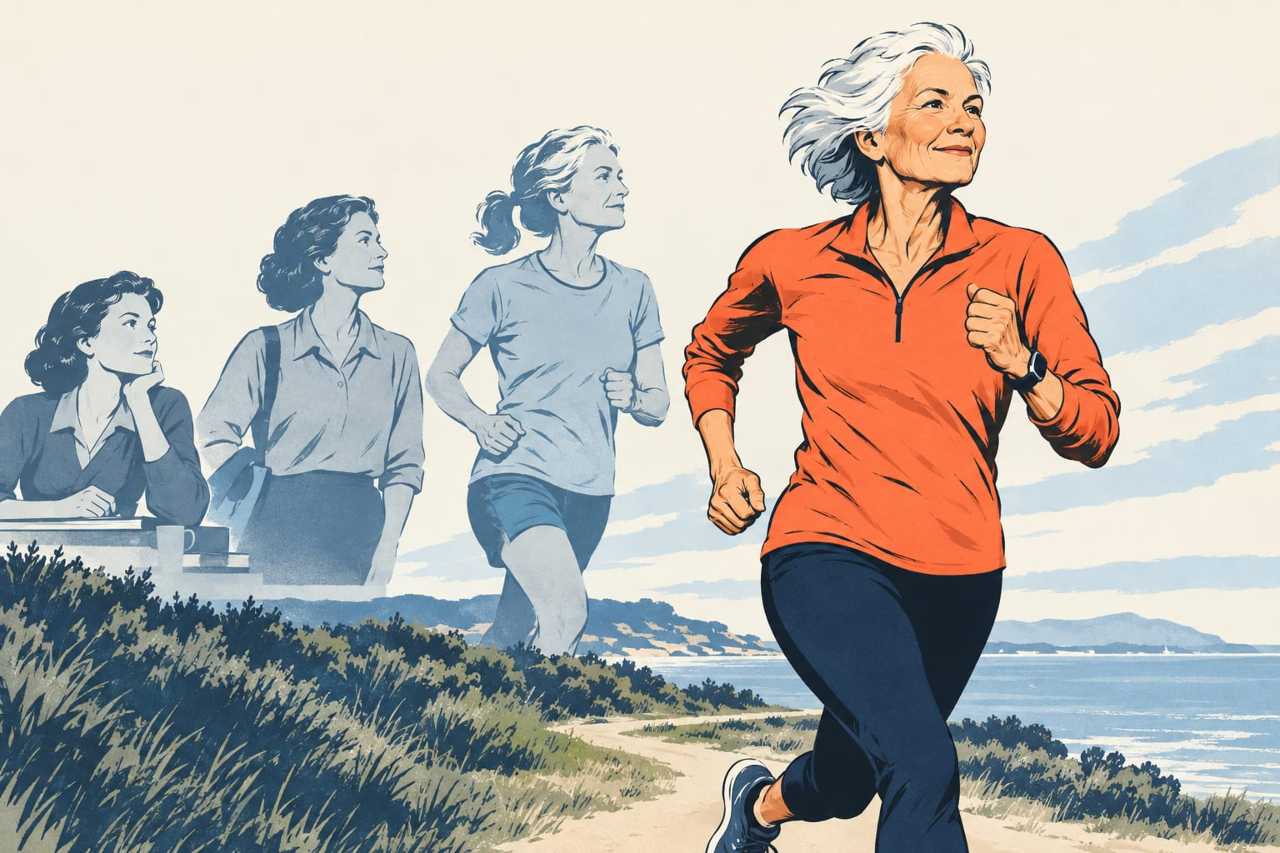
Two years after her husband's death, she ran her first London Marathon. Five years after that, at 58, she did her first triathlon. By 65, she was swimming, cycling, and running 140.6 miles across Lanzarote, Spain, to complete her first Ironman.
She didn't stop there. Six Ironmans later, including Ironman Vichy in 2015, she became Britain's oldest woman to finish the triathlon — she was 72. Two years after that, in Cozumel, Mexico, she broke her own record. Age 74.
I love this part: she didn't treat 50-plus as some finish line for new beginnings. She treated it as a starting gun.
"Contrary to most beliefs, it's never too late to take the opportunity to get fitter," Brocklesby said. "I think there has been a misconception about 50-plus not being suitable, whereas I think it's almost the reverse of that."
That's the kind of thinking I've built a whole life around. Adventure has no age limit — and apparently, neither does an Ironman finish line.
The Secret Ingredient Nobody Talks About
Ask most fitness experts what keeps people moving, and you'll hear about discipline, routine, tracking your macros. Brocklesby has a different answer: fun.
She once gave a lecture at a conference and was, by her account, the first speaker to even bring up the word. She got a standing ovation for it.
"I think it's not used enough," she said.
She joined the Serpentine Running and Triathlon Club at 56, and it became more than a training ground — it became a friendship network. Between 2008 and 2019, she competed in Race Across America three times as part of a four-woman team with fellow club members.
"I think [group exercise] is giving you a purpose, you know, to get out in the morning and do something, particularly with other people," she said. "It's the social element that gets people out of an isolating lifestyle when they're living at home on their own."
That's worth sitting with. We talk a lot about workouts and gear and tracking data. We don't talk enough about who's standing next to you at the starting line.
Adapting Instead of Quitting
Brocklesby isn't invincible. She had hip replacement surgery in 2021. Then in September 2025, someone using a walker fell backward onto her, fracturing her leg and arm. She hasn't been back on an outdoor bike since.
"I think it is distressing," she said. "You do have to come to terms with the difference."
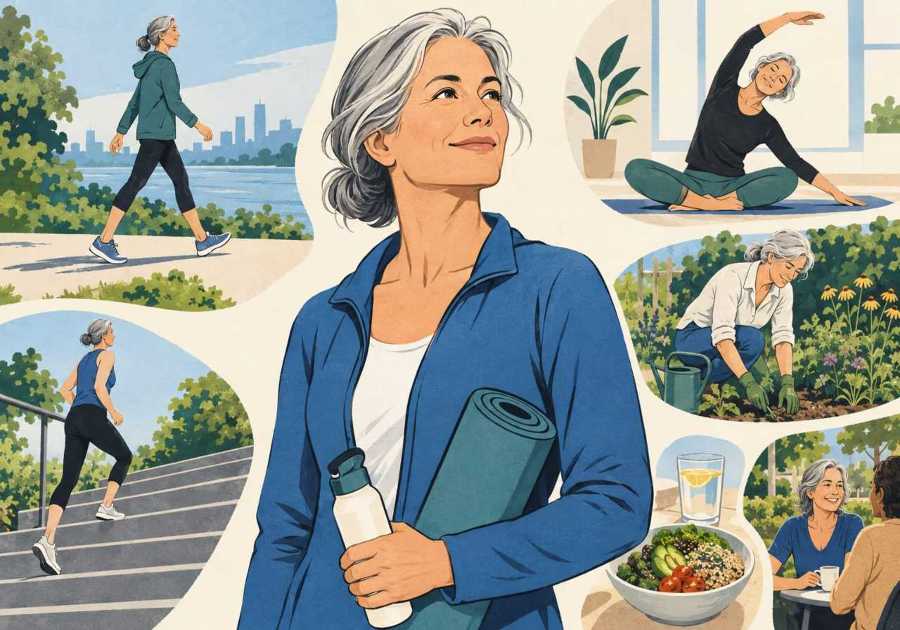
So what did she do? She adapted. Working with a coach, she rebuilt her routine around walking, indoor Zwift cycling, strength training, Pilates, and swimming. She still logs 20 to 23 hours of exercise a week. Let that number sink in.
She recovered at Loveday, a residential senior care provider that runs a post-operative rehab facility called The 1150 Club, and credits the people there as much as the physical therapy.
"The social element there was really vital," she said. "It is motivational."
No Patience for Self-Optimization
The wellness world loves to obsess over sleep scores, recovery metrics, and whether one glass of wine ruins your week. Brocklesby isn't buying it.
Asked about the self-optimization trend, she laughed. "I think if that was the theory, I've failed dramatically because I very often have one glass of wine at night."
She sleeps reasonably well, eats "relatively healthily," gets protein from eggs and fish rather than heavy meat consumption, and doesn't obsess over the numbers.
She's not done setting goals, either. She's eyeing the 2027 London Marathon — as a walker this time, as long as she can finish without holding up the volunteers.
That's the real lesson here. It's not about chasing a perfect score. It's about staying curious, staying social, and figuring out what version of movement still fits your life. At 83. At 50. At whatever age you're reading this.
Source: Business Insider
If you missed it: Three Longevity Myths Doctors Want You to Stop Believing