So here's a question I ask myself a lot now that I'm closing in on 70: if I could slow down aging, would I even know it was working?
Turns out scientists have been wrestling with the same question. And a new study out of Yale just gave us some real answers—along with a reminder that a lot of what we assume about anti-aging is still guesswork.
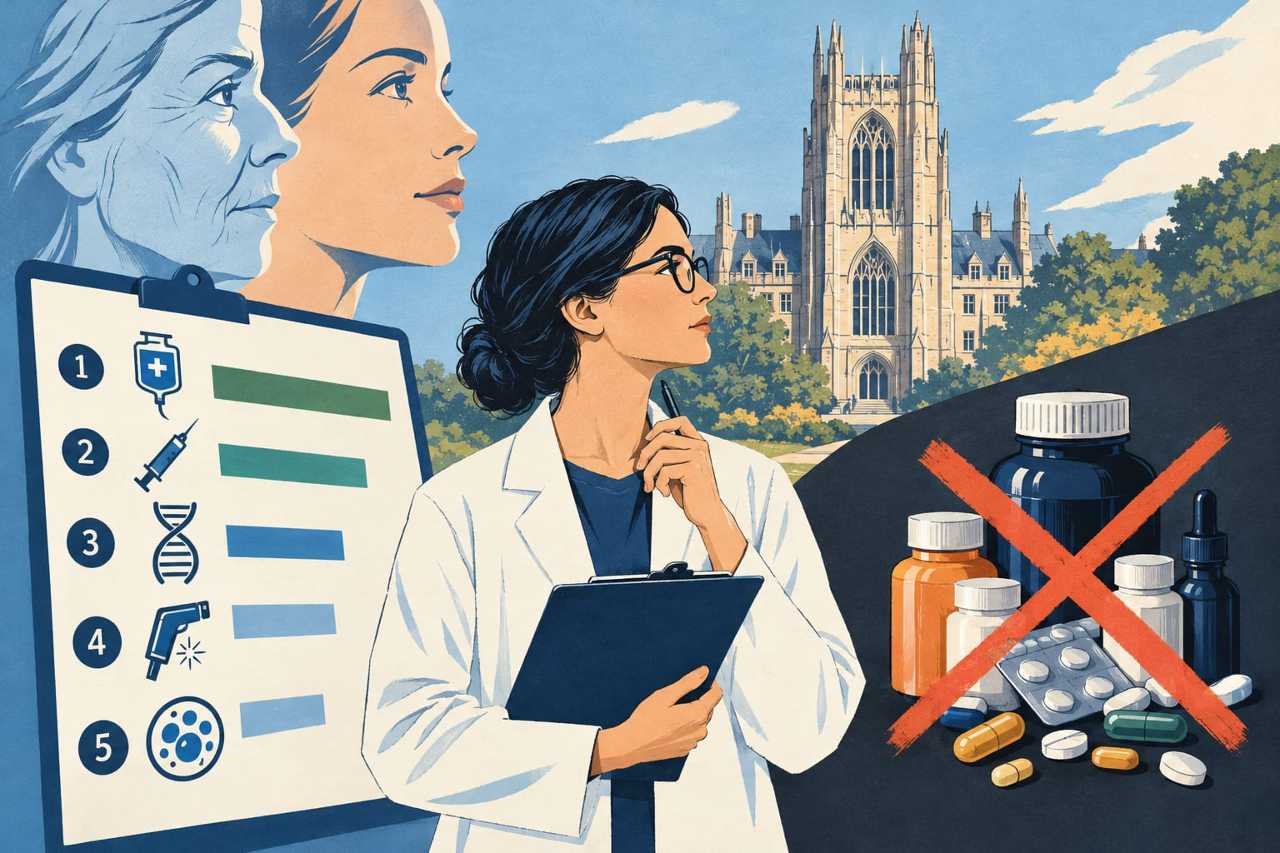
The research comes from a team led by a scientist named Sehgal, working alongside senior author Higgins-Chen. They pulled together data from 51 clinical studies testing everything from supplements to prescription drugs to lifestyle changes. Then they measured results using something called epigenetic clocks—blood tests that look at chemical tags on your DNA, specifically methyl groups, which shift in predictable patterns as we age.
Here's the part I find fascinating: some treatments actually reverse those patterns. Not slow them down. Reverse them. At least according to the biomarkers.
What Actually Worked
Across more than 110 of these DNA-based biomarkers, including 16 major epigenetic clocks, a few things kept rising to the top.
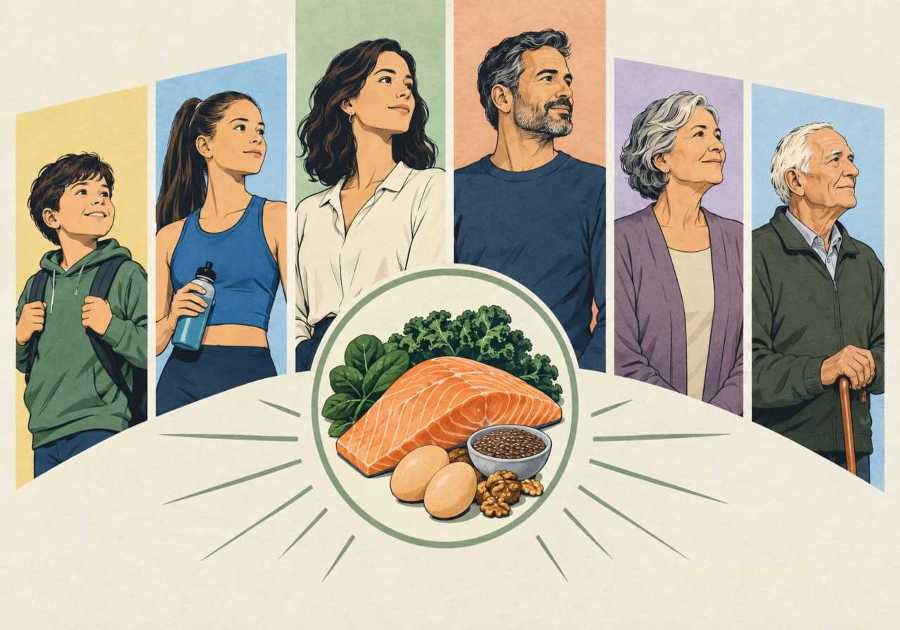
Diet and exercise combined—not one or the other, both—consistently lowered biological age markers. The researchers looked at Mediterranean, low-fat, and low-carb diets. All of them worked when paired with regular physical activity.
That doesn't surprise me much. I've spent years hiking trails, walking cities, staying active because travel demands it. Maybe that's been doing more for my biological age than I realized.
But the biggest surprises came from the pharmaceutical side. Metformin, a drug normally used for diabetes, and semaglutide, the weight-loss and metabolic drug everyone's talking about these days, showed the strongest reductions in biological age markers. So did anti-TNF therapies, which target inflammation in the body.
Meanwhile, over-the-counter supplements? The ones lining pharmacy shelves promising youth in a bottle? They showed no measurable effect. Neither did some of the medical procedures tested.
That's worth sitting with for a second. We spend billions on supplements hoping they'll turn back the clock, and according to this research, they're not moving the needle at all.
Why the Tools Matter as Much as the Treatment
One detail jumped out at me: newer epigenetic clocks performed better than older ones. The measuring tool itself matters. And people already dealing with health conditions showed bigger changes in their biomarkers than healthy participants did.
That makes sense if you think about it. There's more room to improve when something's already off track.
Sehgal says the next step is testing these findings on larger, more diverse groups of people. And here's where it gets genuinely exciting—if these biomarkers get validated, researchers could evaluate anti-aging treatments in months instead of decades. Right now, proving something extends healthy life requires waiting around for years to see what happens. Imagine skipping that wait.
The Catch Nobody Should Ignore
Higgins-Chen, though, is playing it straight. He's cautious about what these biomarker changes actually mean long-term. Does a lower biological age score translate into fewer diseases? A longer life? Better function at 80?
Nobody knows yet.
As Higgins-Chen put it, the real question is what the change means for our future risk of disease and decline. Scientists still need to figure out whether these interventions are causing the change directly, how long the effects last, and whether they stick around after someone stops treatment.
So this isn't a green light to start popping metformin because a Yale study mentioned it. It's a direction. A promising one, but still early.
Why This Matters to You
I didn't start traveling full-time in 2017 because I wanted to feel younger. I did it because I wanted to feel alive, curious, in motion. But if diet, movement, and good research can help me keep doing that longer? I'm paying attention.
This study won't hand you a magic pill. What it does is separate real signal from wishful thinking—something I appreciate more the older I get.
So maybe the question isn't "how do I stop aging." Maybe it's "what am I doing today that keeps me moving forward." Because that's the part science keeps confirming works.
What's one thing you could start today that your future self will thank you for?
Source: Science Daily
If you missed it: Are You Losing Muscle Without Knowing It? Here's How to Find Out