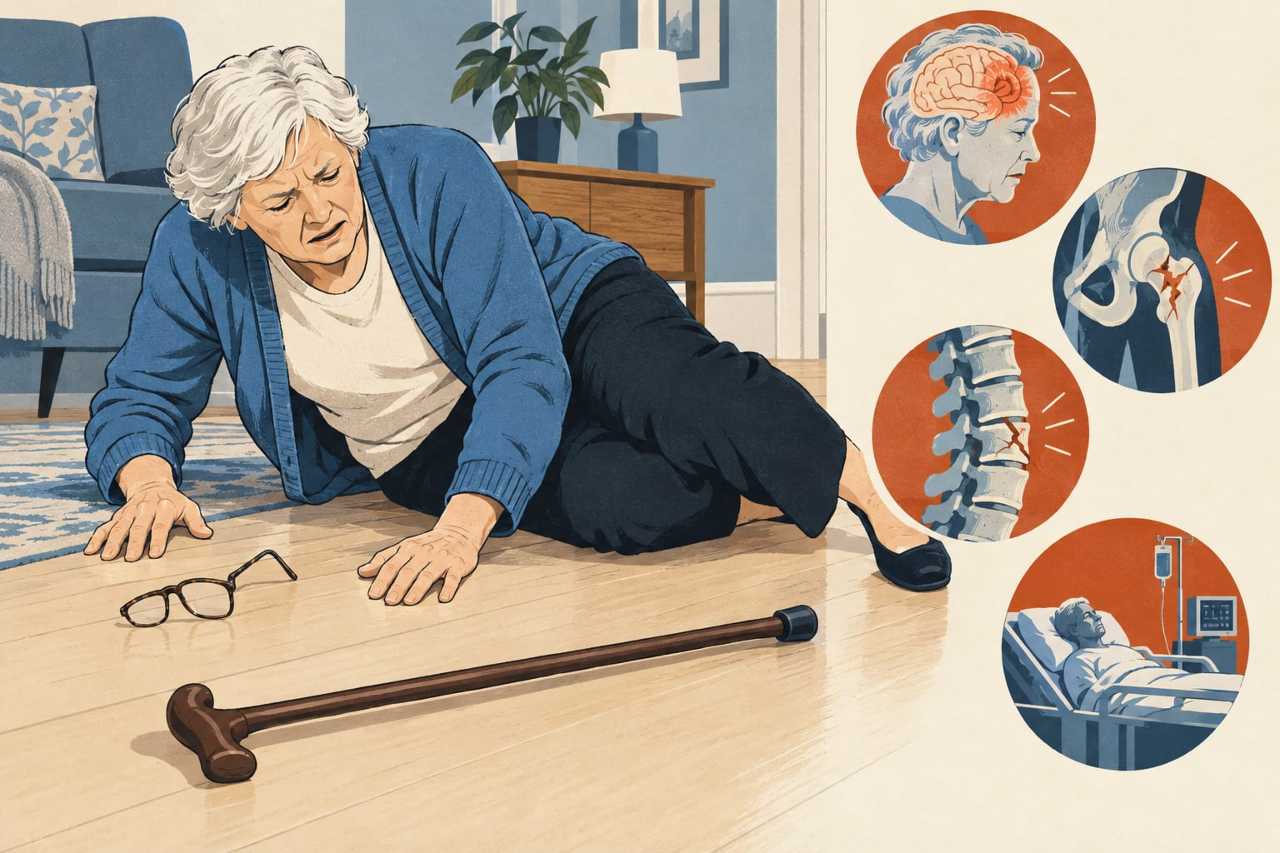
A hip fracture after 65 carries a 20% chance of death within a year.
Read that again. That's not a typo. One bad stumble, one wrong step off a curb, and the odds turn serious fast.
I've been traveling full-time since 2017, often alone, often in places where the sidewalks aren't exactly even and the stairs weren't built with handrails in mind. So this number stopped me cold. I've climbed cobblestone streets in Portugal, hiked uneven trails in Peru, and navigated train station stairs in a dozen countries. Bones matter when you're out there moving through the world. Turns out they matter more than most of us realize.
Here's something I didn't know. Researchers have put sensors inside artificial hips to measure the actual forces our bones absorb during everyday movement. Just walking puts 2.5 to 3 times more stress on your hip than you'd expect. Climbing stairs adds another 50% on top of that. But a stumble? That spikes the force 11 to 15 times normal. No wonder a simple trip can do so much damage.
So what do we do about it? This is where it gets interesting, because the advice floating around isn't always right.
The Vitamin D Myth
A lot of us pop a vitamin D pill and figure we're covered. Turns out that's mostly wishful thinking. Studies show oral vitamin D supplements give you a quick spike in blood levels, then it fades. Not much staying power.
Sun exposure works differently. It builds vitamin D slowly, which your body seems to like better for keeping bones strong.
Dr. William Culbert, a retired physician from Oak Ridge, Tennessee, lays out a simple rule: expose about a third of your skin to summer sun for 10 to 45 minutes. That's usually enough to last several weeks. If you have darker skin, you'll need more time than someone with lighter skin.
Want a quick gut check on whether you're getting useful sun? Look at your shadow. If it's shorter than you are, the sun's angle is good and you're likely making vitamin D. If your shadow's longer than you are, the sunlight is traveling through too much atmosphere to do the job. In Tennessee's cooler months, Culbert says that can mean almost no vitamin D production at all, no matter how long you stand outside.
That's worth filing away if you, like me, tend to chase warm weather. There's a real biological reason to head south in the winter beyond just comfort.
What Actually Builds Bone
Here's the part that surprised me most. Our bones basically stop getting stronger in early adulthood. After that, it's not about building new strength, it's about protecting what you've already got.
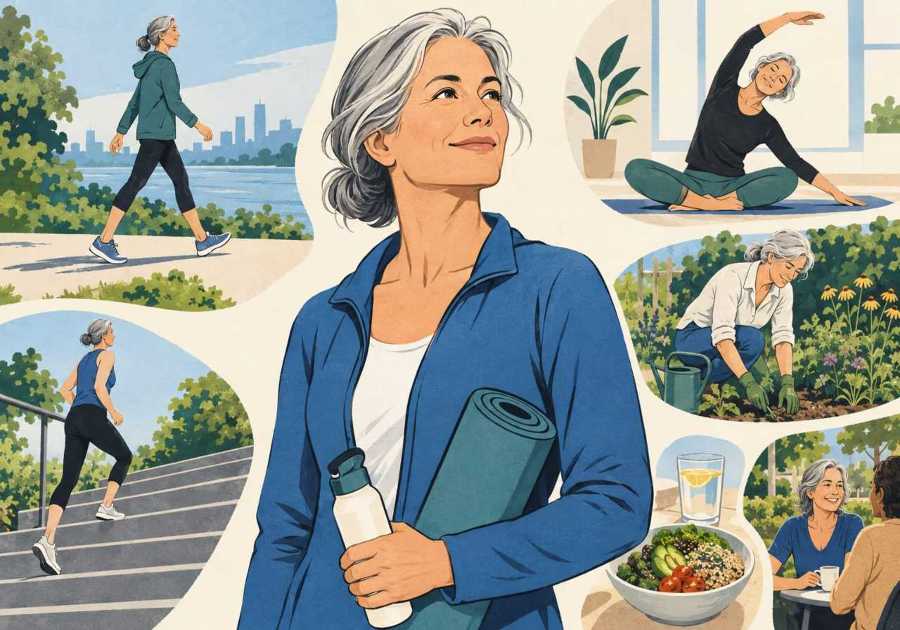
So what's the best way to protect it? A meta-analysis pulling together 124 randomized trials and 18,000 people found that 2 to 3 hours a week of brisk walking or jogging does the most good for bone density.
But here's the catch. Jumping from walking to jogging is a big ask, motivationally speaking. Most people don't stick with it. Culbert suggests something simpler: just walk faster. Picking up your pace does more for you than forcing yourself into a jog you'll quit in three weeks.
And if you're already a regular walker? Consider something with a bit of unpredictability built in, like pickleball. The lunges and short bursts of movement train your stability in ways steady walking never will. Stability is exactly what keeps you upright when the sidewalk throws a surprise at you.
My Take
I'm almost 70, and I've never treated that as something to manage around. It's proof that life keeps being interesting if you keep moving through it. But moving through it means respecting what your body needs.
Talk to your doctor before starting anything new, and ease into it. No need to show up at the pickleball court trying to win your first match.
Get outside. Walk faster. Maybe find a game that keeps you on your toes, literally. Your bones were built for decades of adventure. Give them a reason to hold up their end.
Source: Yahoo Health
Before this, we covered: Your Cells Have a Power Plant — And It's Losing Juice