Here's a question I never asked myself until recently: why do my eyes get tired faster on a long travel day than they did ten years ago? Why does a bad night's sleep hit harder now than it used to?
Turns out the answer isn't really about age. It's about power.
I've been traveling full-time since 2017, and one thing you learn fast on the road is that your body tells you the truth whether you want to hear it or not. Jet lag, long drives, new altitudes, weird food — it all shows up somewhere. Lately I've been digging into why, and I stumbled onto something called metabolism that's a lot more interesting than the number on a bathroom scale.
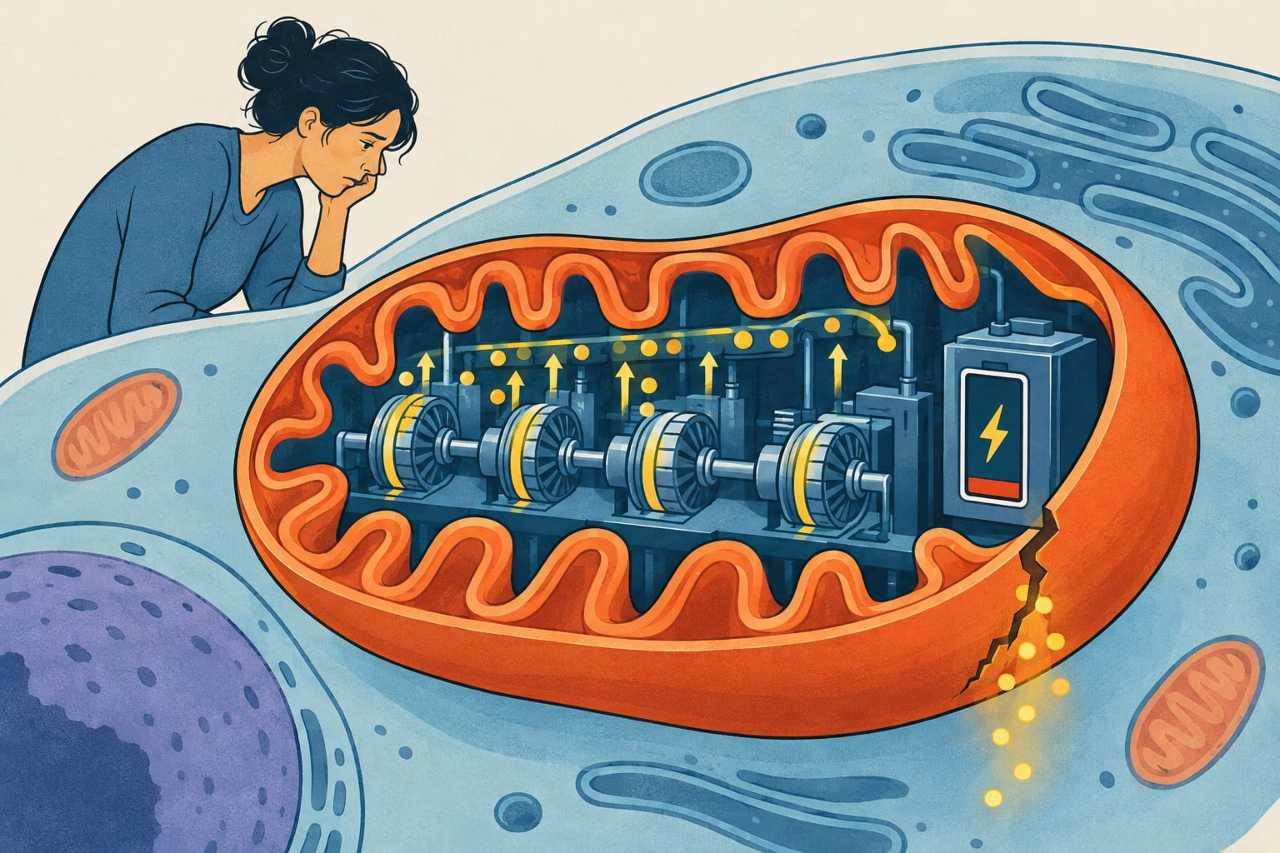
Dr. Rhea Rogers, a board-certified physician, put it simply: metabolism is "the language of your cells." Every cell runs on energy, and that energy comes from tiny battery packs inside them called mitochondria. Gerontologist Sam Cradduck calls the whole system the body's "power plant."
And here's the part that got my attention — every organ has its own power plant. The brain and the heart need huge amounts of energy to function. So when the power starts to dim with age, Rogers says you'll notice it first in the organs that demand the most. That's why eyesight and hearing often fade before other things. They're power-hungry.
What happens when the plant can't keep up? Brain fog. Fatigue. Just feeling "out of it," as Rogers describes it. Nothing dramatic — just less juice to run on.
It's Not Just About Weight
I used to think metabolism was shorthand for "how fast you burn calories." That's the gym-talk version. Rogers says it's bigger than that — it even affects how your body processes medication as you age.
Her bigger point: "Think of aging as losing energy." The cellular kind. That slow leak is what shows up as the symptoms we lump together as "getting older."
So what do you do about a leak you can't see?
Build Muscle, Not Just Lose Weight
Here's where it gets practical. As we age, we tend to lose muscle and gain fat — a condition called sarcopenia. Many of the hormones that help maintain muscle decline with age too.
Aging expert Amy O'Rourke says people often chase weight loss and ignore strength, which is backwards. "It's a positive thing to gain weight," she said, "because it could mean that your muscles are getting stronger." She recommends strength training two to three times a week as you get older — and honestly, if you're younger reading this, start now. O'Rourke's advice: build the habit before you need it, so you're not fighting a cascading problem later.
That tracks with something I've noticed traveling — the people I meet in their 70s and 80s who are still hiking, still carrying their own packs, still saying yes to the next trail? They didn't get there by accident. They kept moving, kept lifting, kept using their muscles like tools instead of decoration.
Muscle and Blood Sugar Are Connected
There's another layer here. Rogers explains that muscle plays a direct role in how your body handles glucose. When muscles resist taking up glucose for energy, that's insulin resistance — and that's where prediabetes starts. The more muscle you build, the better that process works.
She also pointed to something called metabolic inflexibility — basically, losing the ability to switch smoothly between burning fat and burning carbs for fuel. Toxins and inflammation chip away at that flexibility, and that may be part of why type 2 diabetes is showing up earlier in people's lives.
Build Health Instead of Waiting for Disease
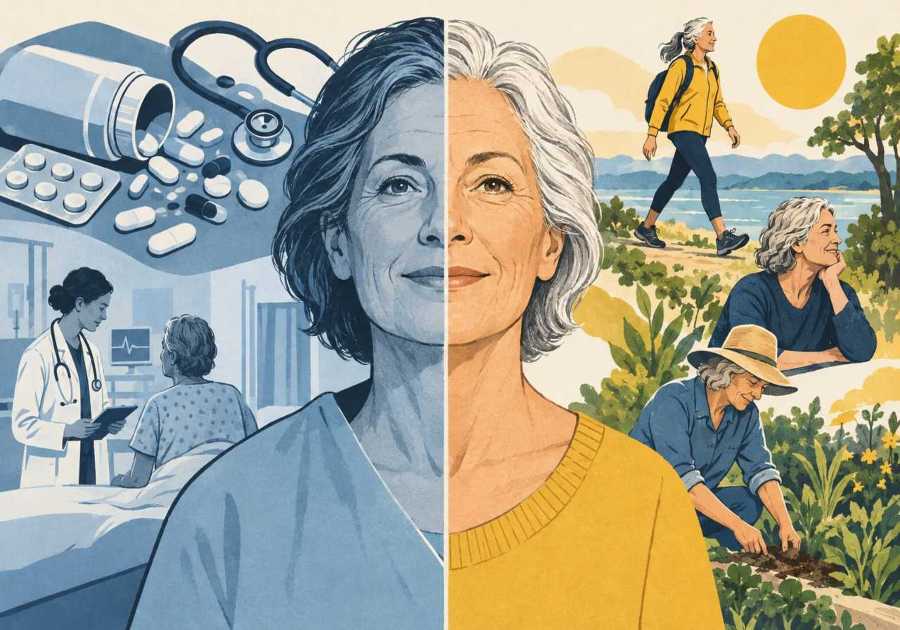
Aging-well coach Katherine Ambrose frames it as a mindset shift: build health and energy now, rather than waiting to manage a disease later. Rogers' short list: stimulate your muscles, control inflammation, clear out toxins, eat well, sleep well.
None of that is complicated. It's not a gadget or a pill. It's a decision you make a few times a week.
I like that. Age was never meant to be something you manage — it's something you keep exploring. So here's my question for you: what's one thing you could do this week to keep your power plant running a little stronger?
Source: KTRE
Earlier in this series: Turning 40 Doesn't Mean Slowing Down—But It Does Mean Paying Attention