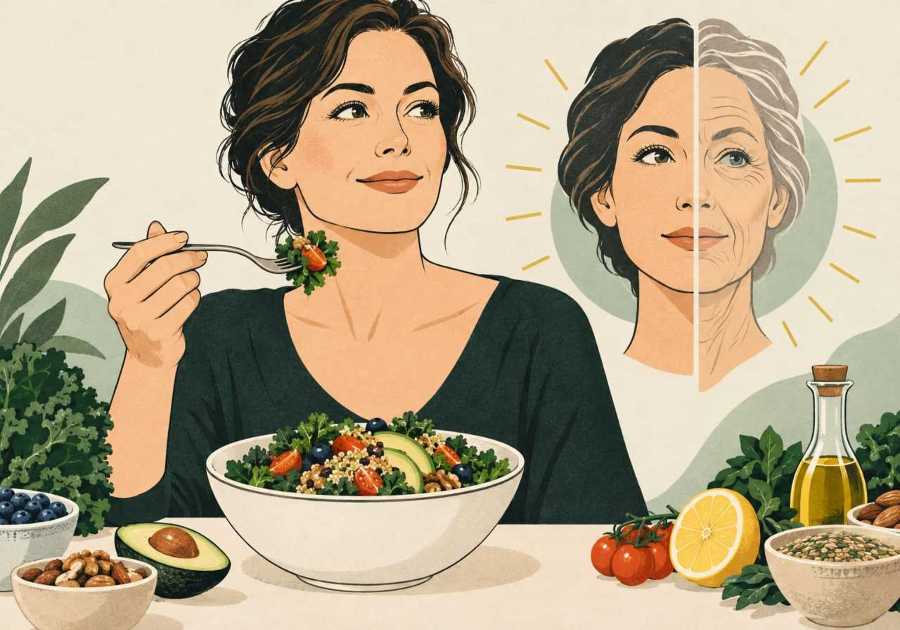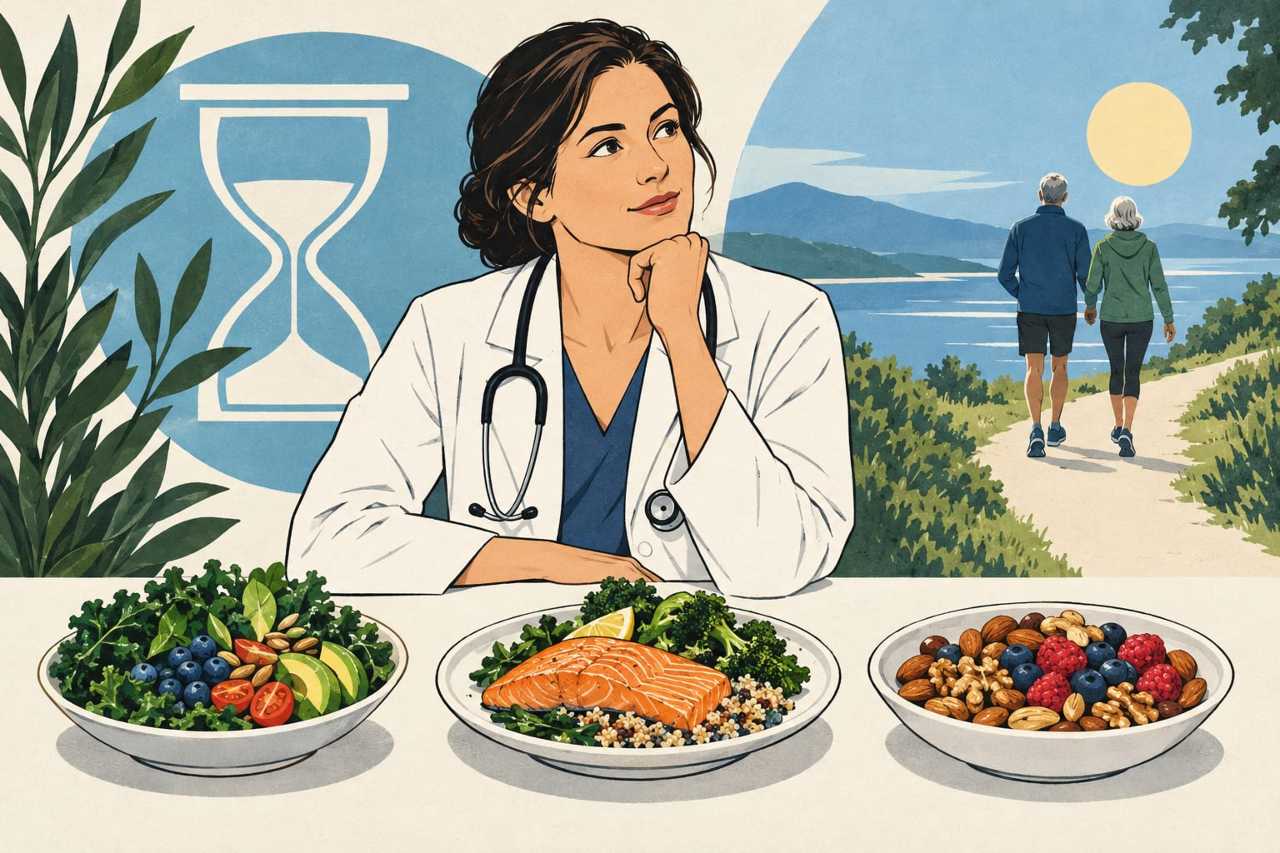
Dr. Mitch Ghen says three simple foods could help you live longer. That's it. That's the headline that stopped me scrolling.
Not a supplement stack. Not a $400-a-month peptide protocol. Three foods.
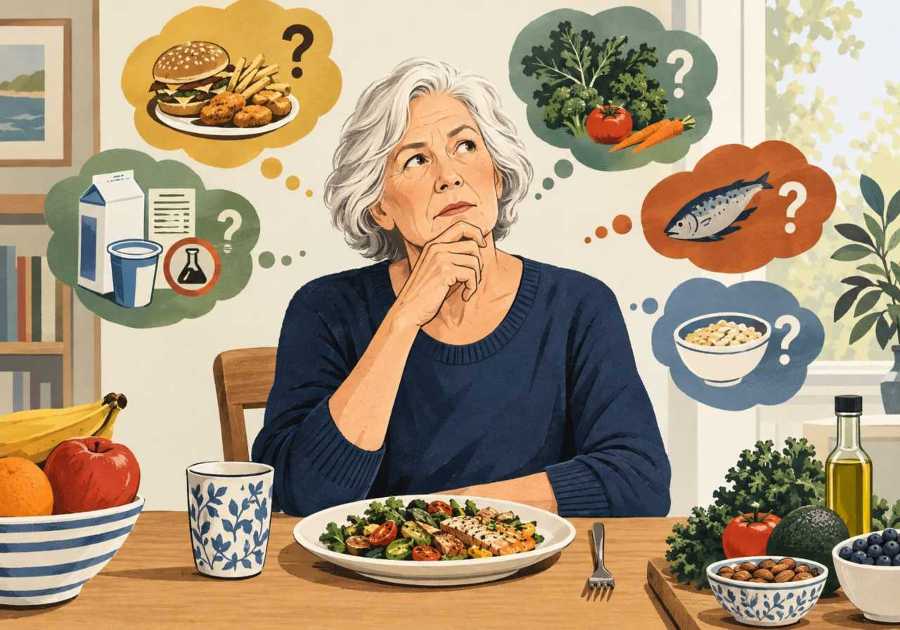
My first question was obvious: which three? My second question was better: why do we keep hoping longevity has a shortcut, when most of the people who actually live long lives aren't doing anything exotic at all?
I've spent time in places researchers call Blue Zones — Okinawa, Sardinia, the Nicoya Peninsula in Costa Rica. I didn't go looking for a magic food. I went because I was curious how ordinary people in ordinary kitchens were outliving the rest of us by a decade or more. What I noticed wasn't rare ingredients. It was simplicity, repeated daily, for sixty or seventy years straight.
Why Simple Foods Keep Beating Complicated Science
Here's the thing about longevity research. It's messy. Humans aren't lab mice you can control in a sealed environment for ninety years. So when someone like Dr. Ghen points to specific foods, it's worth asking what's behind the claim — not dismissing it, just digging in.
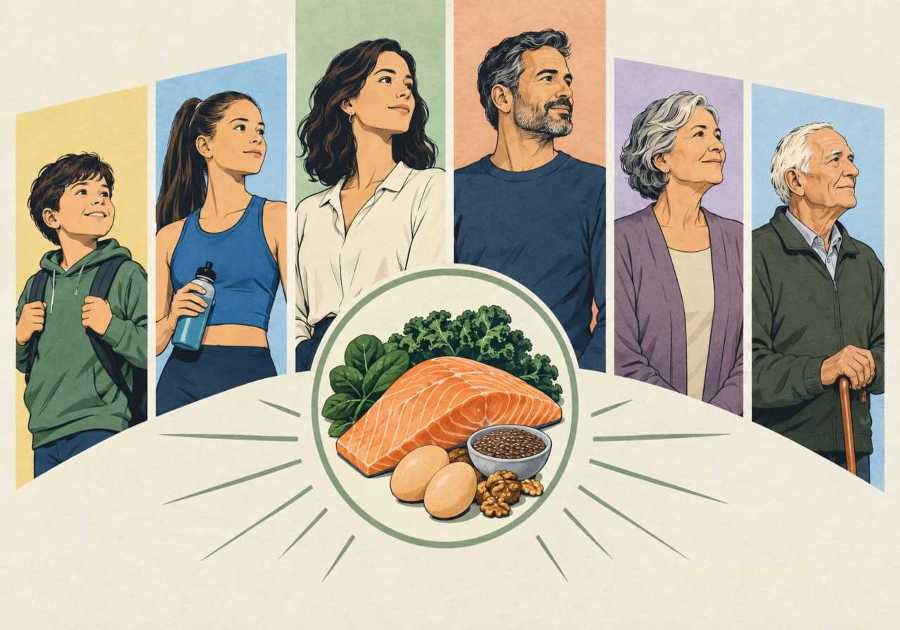
Usually, the foods that show up in longevity conversations aren't surprising. Fatty fish. Leafy greens. Beans and legumes. Fermented foods. Nuts. Olive oil. The stuff that shows up over and over in the diets of people who are still gardening, dancing, and arguing with their grandkids at 95.
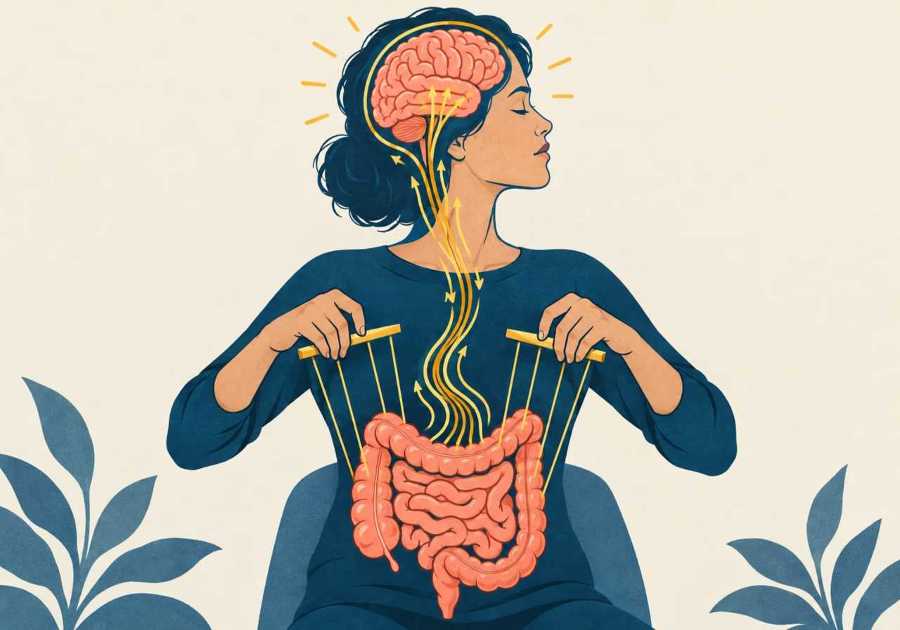
What varies is the "why." Is it the omega-3s? The fiber feeding gut bacteria? The polyphenols fighting inflammation? Probably all of it, tangled together in ways we don't fully understand yet.
That's what makes this interesting to me. Not the certainty. The not-knowing. Science hasn't cracked the full code on why some populations age slower. But it keeps circling back to the same short list of unglamorous foods.
What Happens If You Actually Try It?
I like testing things on myself before I believe them. That's basically how I've run my whole life since I left the traditional path behind in 2017 and started traveling full-time. Someone tells me something works, I want to find out firsthand.
So when a doctor says three simple additions could support how long — and how well — you live, my instinct isn't skepticism or blind trust. It's experimentation. Add the foods. Pay attention. Give it months, not days, because biology doesn't negotiate on your schedule.
I've eaten simply in markets from Lisbon to Chiang Mai, buying whatever the locals were buying that morning. Fresh fish from a stall in Sardinia. Fermented vegetables in a Seoul side street. Beans slow-cooked over a wood fire in rural Costa Rica. None of it felt like a "health plan." It just felt like how people who live a long time happen to eat.
Why This Matters More as You Get Older
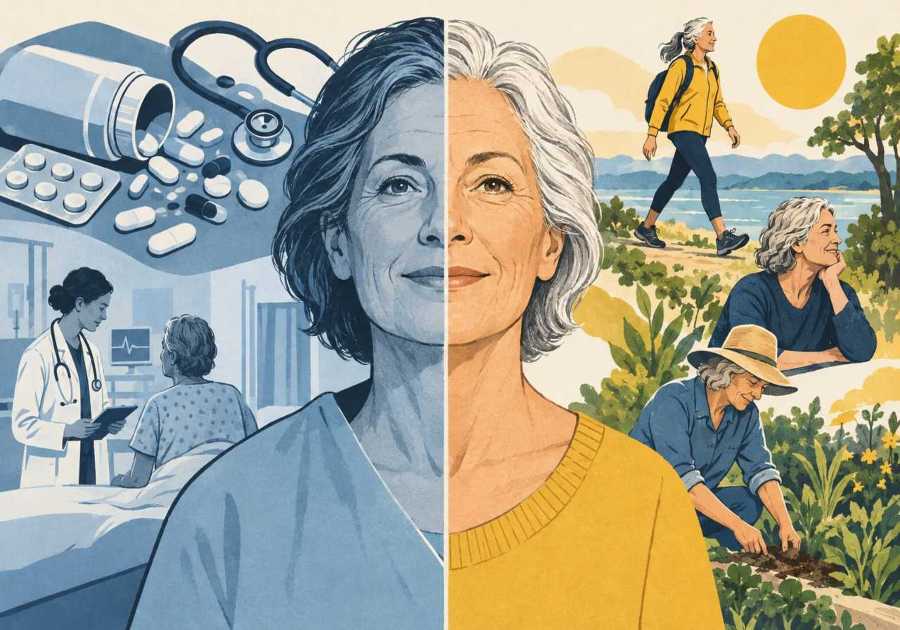
I'm closing in on 70, and I'll tell you straight — I don't think about longevity as some finish line to delay. I think about it as more runway. More places to see. More conversations with strangers who become friends. More mornings where I get to choose exactly how I spend the day.
Food is part of that equation, but it's not complicated. It never needed to be. The idea that three ordinary foods could meaningfully support a longer, more capable life fits everything I've seen traveling the world and talking to people who are still vibrant well into their 80s and 90s. They're not doing anything dramatic. They're doing simple things consistently.
So here's my challenge to you, and to myself: find out what those three foods are, look at the reasoning behind them, and then actually test it. Not for a week. For a season.
Adventure has no age limit. Neither, it turns out, does a plate of good food.
What's one simple food you already know you should be eating more of — and what's stopping you?
Source: JournalArta
If you missed it: A Night at the Museum Might Add Years to Your Life