Three out of four Americans over 50 want to stay in their own homes as they get older. I'm one of them. But wanting it and actually pulling it off are two different things.
So what's the difference between the people who age in place and the people who end up in a facility they never wanted to be in?
Dr. Vonda Wright thinks she knows. She's a double board-certified orthopedic surgeon in Orlando who's spent her career studying active aging and mobility. According to her, the problems that push people out of their homes almost always come down to three things: trouble getting out of a chair and caring for themselves, memory issues, and incontinence that makes hygiene a daily struggle.
Here's the part that caught my attention. Wright says most conversations about mental health and physical health completely skip over something she calls "skeletal longevity." In other words, we talk about the brain, we talk about the heart, and we forget the thing that actually gets you out of bed and across the room. Your bones, muscles and tendons.
Habit No. 1: Keep Moving
Wright points out that walking was literally the first skill we ever learned. We figured it out at one year old. So why do we assume we're supposed to stop moving as we hit our 70s and 80s?
She pushes back hard on the idea that rest fixes pain. "Rest doesn't cure anything," she says. Got arthritic knees? Building the muscles around them helps more than sitting still ever will. Even if your hips or knees hurt, she says get in a pool with chest-high water and move. The CDC backs this up too — walking, cycling, water exercise, all low-impact, all effective.
I've met plenty of people on the road in their 80s who are still hiking, still paddling, still moving every day. They're not ignoring pain recklessly. They're just refusing to let rest become a permanent lifestyle.
Habit No. 2: Build Muscle
Here's a stat worth sitting with. Back in 1990, researcher Dr. Maria Fiatarone at Tufts University put nine nursing home residents through eight weeks of high-intensity resistance training. Their average age? Over 90. Result? Their muscle strength jumped by 174%.
Ninety years old. 174%. Read that again.
Wright says there's no age where it's "too late" to start. You can build muscle sitting in a wheelchair if that's where you're starting from. The National Institute on Aging recommends strength work at least twice a week, hitting all the major muscle groups, with rest days in between.
Habit No. 3: Eat Enough
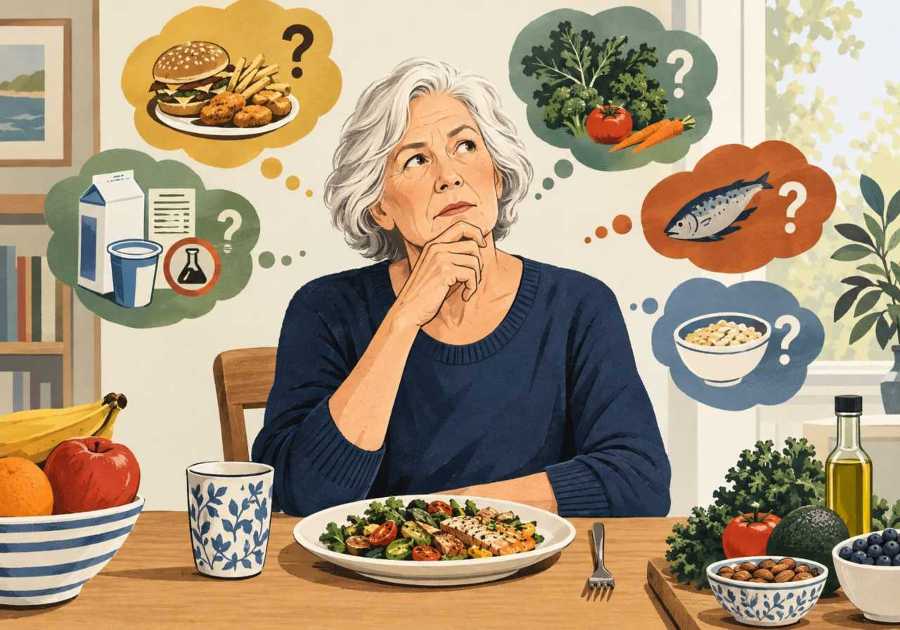
This one's sneaky. Wright says she watches it happen with her own 86-year-old parents — they just eat less and less as they age. The problem is you can't build muscle without fuel. She calls it a "protein-forward, adequate-calorie diet," and the National Institute on Aging backs that up, pointing to seafood, dairy, beans, lentils and fortified soy as good options.
Habit No. 4: Drop the "Decline Is Inevitable" Mindset
This is the one that hits hardest. Wright says the biggest mistake she sees is people assuming that a certain number of birthdays means it's time to park themselves on the couch for good. Her take: "There is no age or skill level when you're done."
I believe that. I didn't start traveling full-time until I was already past the age most people start slowing down. Almost 70 now, and the adventures haven't stopped — they've gotten better. Age was never the obstacle. The mindset is.
Habit No. 5: Have the Open Conversation
Wright says the planning shouldn't wait until your 70s or 80s. Start thinking about it in your 30s and 40s, during your busiest working years, because independence later is really a long-term plan you build now.
She also has a simple suggestion for adult children: just ask your aging parents what they need. Most won't volunteer it — they don't want to feel like a burden. Wright lives this out herself. Her parents live with her family, and when she noticed their meals slipping while she traveled, she arranged to have half their meals delivered each week. They stay independent, just with a little backup.
That's really the whole formula, isn't it? Stay strong, stay curious, keep moving, and don't wait for someone else to ask what you need. Figure it out yourself, and keep going.
Source: Fox News
Missed the last one? Your Brain Doesn't Want You to Pick Sides