So which is it—exercise or diet—for keeping your brain sharp as you get older?
Turns out that's the wrong question.
I've been asking this kind of thing for years, mostly because I plan on hiking mountains and navigating foreign cities well into my 90s. So when a new meta-analysis comes along and says "actually, do both at once," I pay attention.
The study that changes the conversation
Researchers pulled together 14 randomized controlled trials, more than 4,000 people aged 65 and up, and looked at what happened when exercise and nutrition were combined rather than tested separately.
Here's the thing—when scientists have studied exercise alone or diet alone in the past, the results have been all over the place. Some trials showed benefits. Others showed nothing. That's left a lot of confusion about whether lifestyle changes even matter for brain health.
But when the trials combined movement with nutrition—either through dietary guidance or supplementation—the results showed a real, statistically significant improvement in cognitive function.
Dementia affects over 55 million people worldwide right now. There's no cure. So anything that genuinely slows the decline matters, a lot, especially if it's something you can control yourself without a prescription.
Why two things beat one
I like understanding the "why" behind things, not just the headline. So here's what's actually happening in your body.
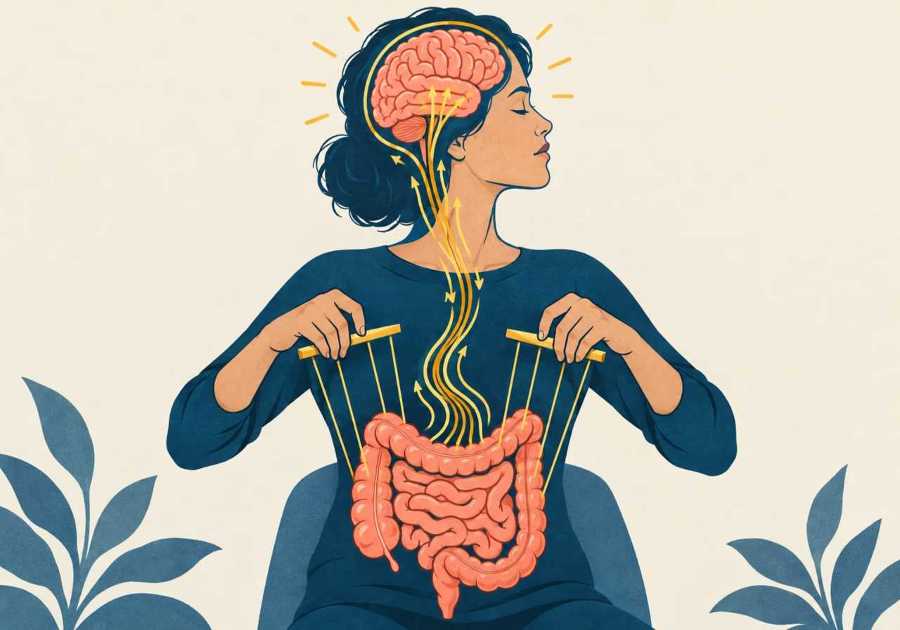
Exercise boosts something called BDNF—a protein that helps your brain build and maintain neurons. It's basically fertilizer for your brain cells. Nutrition, especially omega-3s and Mediterranean-style eating, helps extend and amplify what that BDNF does.
Then there's your muscles. When you work them, they release proteins called myokines. One of them, cathepsin B, actually crosses into your brain and stimulates BDNF production in the hippocampus—the part responsible for memory. Since muscle is where cathepsin B comes from, keeping muscle mass through resistance training and enough protein becomes more important the older you get, not less.
Exercise also triggers an anti-inflammatory response through a molecule called IL-6. Nutrition—particularly omega-3s and watching caloric intake—adds fuel to that anti-inflammatory fire. Two systems, working together, doing more than either could alone.
What the trials actually looked like
What I found reassuring is that there wasn't one magic formula. Some trials used resistance training. Others used aerobic work, or a mix of strength, cardio, balance and flexibility. Sessions ranged from once to five times a week, over periods from 12 weeks to four years.
On the nutrition side, some people followed the Mediterranean diet or the MIND diet. Others followed national guidelines from Finland or Japan. Some took supplements—omega-3s, vitamin D, protein, creatine, HMB.
Different approaches, similar results. That tells you something: there's no single "right" way to do this. There's just doing something, consistently, on both fronts.
Modest but real—and that's the point
Let's be honest about the numbers. The effect size here was small—a standardized mean difference of 0.15 for cognitive function. That's not a dramatic turnaround.
But here's how I think about it. Cognitive decline happens naturally over time. A small positive effect doesn't erase that—it slows it down. Stretch that out over years, even decades, and a small slowdown adds up to real things: staying independent longer, keeping your memory sharper, delaying symptoms that might otherwise show up sooner.
That's not a cure. It's a buffer. And honestly, buffers are underrated.
What this looks like in real life
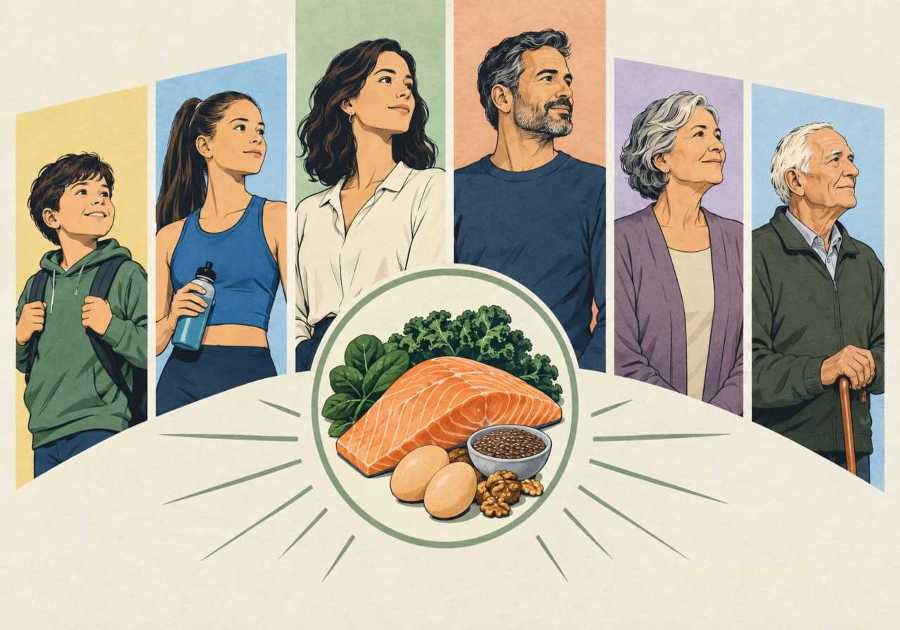
The good news—none of the trials that worked required anything extreme. Resistance bands or bodyweight exercises, once or twice a week. Walking, aiming for about 150 minutes of moderate activity weekly—the FINGER trial, one of the most respected studies in this space, used individualized walking as its main exercise component. Omega-3-rich foods like fatty fish, walnuts, flaxseeds, or a supplement if that's easier. Mediterranean or MIND diet principles, loosely followed, not perfectly.
The common thread in what worked wasn't intensity. It was consistency.
I've learned that lesson the hard way more than once—chasing some elaborate routine, burning out, quitting. The stuff that actually sticks is usually simpler than you think.
So maybe the real question isn't exercise or diet. It's what small, doable thing can you add to both, starting this week, that you'll actually keep doing next year?
That's the whole game.
Source: MindBodyGreen
Missed the last one? North Texas Has 154,500 Hungry Older Adults. Most of Them Are Sitting Alone Right Now.