I've met plenty of people in their 50s who move like they're bulletproof, and plenty who already move like they're 80. What's the difference? Turns out, a lot of it comes down to what happens in that decade specifically — not before, not after.
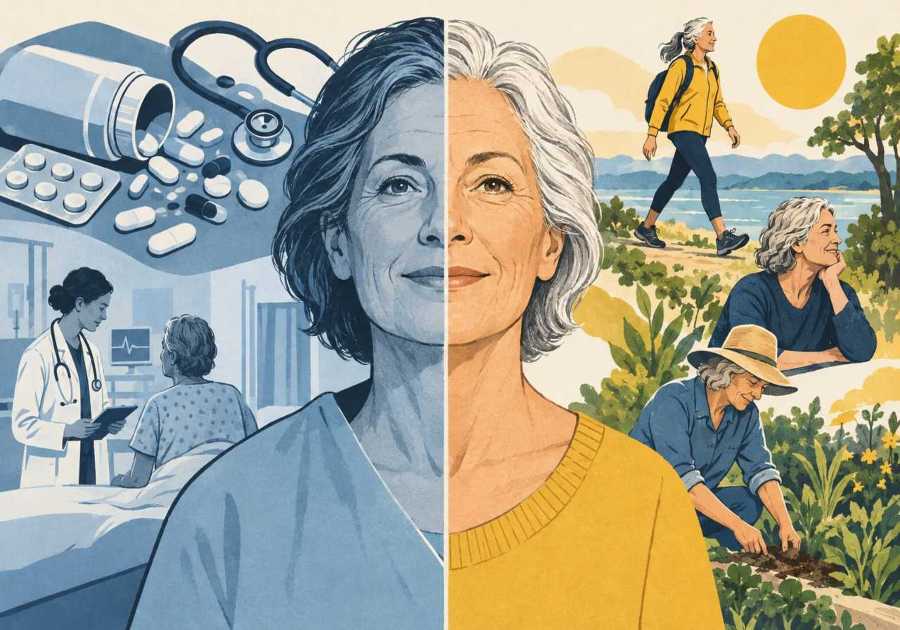
New research is pointing to your 50s as a kind of hinge point for physical strength. Miss the window, and frailty starts creeping in. Pay attention to it, and you can actually push frailty back or avoid it altogether.
That's worth sitting with for a second. Frailty isn't fixed. It's not a sentence. It's a direction you're heading, and you can turn the wheel.
What's Actually Happening in Your Body
Your body carries a kind of reserve — strength, energy, resilience — that it draws from when life throws something at it. A bad flu. A hip replacement. A rough flight with three layovers. The more reserve you've got, the faster you bounce back.
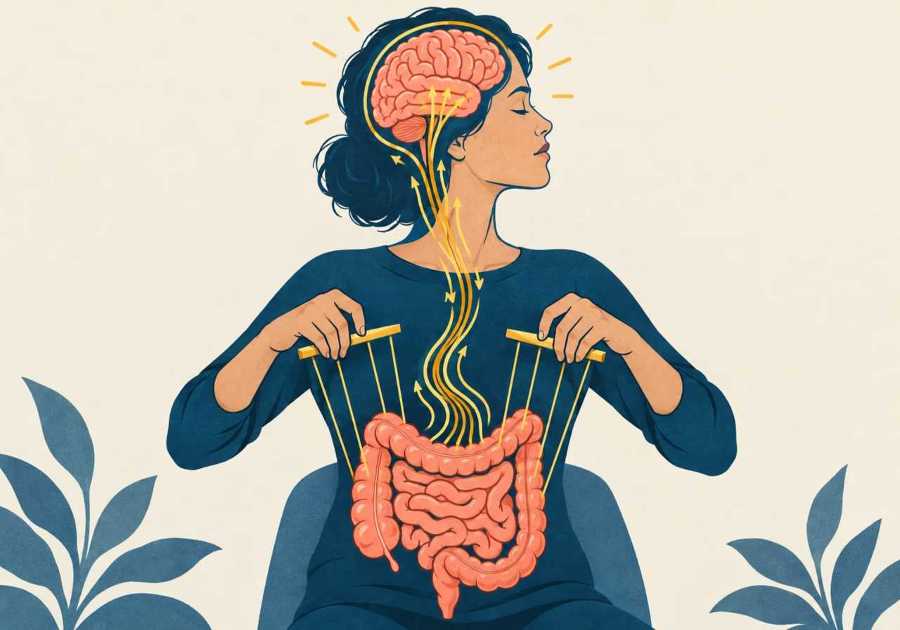
The problem is that reserve doesn't just sit there unchanged. Smoking, poor nutrition, inactivity, and chronic health conditions all chip away at it. So do things you might not think about as much — bad sleep, metabolic issues, low-grade inflammation that never really goes away. Researchers say illness and repeated hospital stays make it worse, because each setback makes the next recovery a little harder to pull off fully.
Here's the part that struck me: you might not notice any of this happening. Experts studying frailty say the early signs are subtle. Recovery from a hard workout or a long trip takes a bit longer than it used to. Sleep doesn't feel as restorative. A day that used to leave you fine leaves you wiped out. None of that automatically means you're becoming frail — some of that is just aging. But a steady, ongoing decline is a signal worth paying attention to, not waving off.
Interestingly, some studies suggest aging itself doesn't happen gradually and evenly — it comes in bursts, with notable shifts around age 44 and again around 60. Your 50s sit right in the middle of those two waves, which may be exactly why that decade matters so much for preserving strength before the next burst hits.
The Good News Nobody Expected
Here's where it gets interesting, and honestly, hopeful. A study published in March 2026 in the journal Maturitas followed 3,405 adults between the ages of 50 and 64 and found that frailty is not a one-way street. People who engaged in moderate or vigorous physical activity actually improved their frailty status over time. Not just slowed the decline — improved it.
The study also found two things I didn't expect. People who lived with others, and people who volunteered, were less likely to progress from prefrailty into full frailty. Connection matters, apparently, almost as much as exercise. And people with higher hemoglobin levels had a lower risk of developing frailty in the first place, which is a good reason to actually look at your bloodwork instead of just skimming past it.
Why This Matters If You're Not Ready to Slow Down
I'm almost 70, and I've been living and traveling full-time since 2017 — no fixed address, no finish line, just the next place and the next question. None of that works if your body can't keep up. So when I read that your 50s are a critical window for preserving strength, I don't hear a warning. I hear an invitation to get ahead of it while you still can.
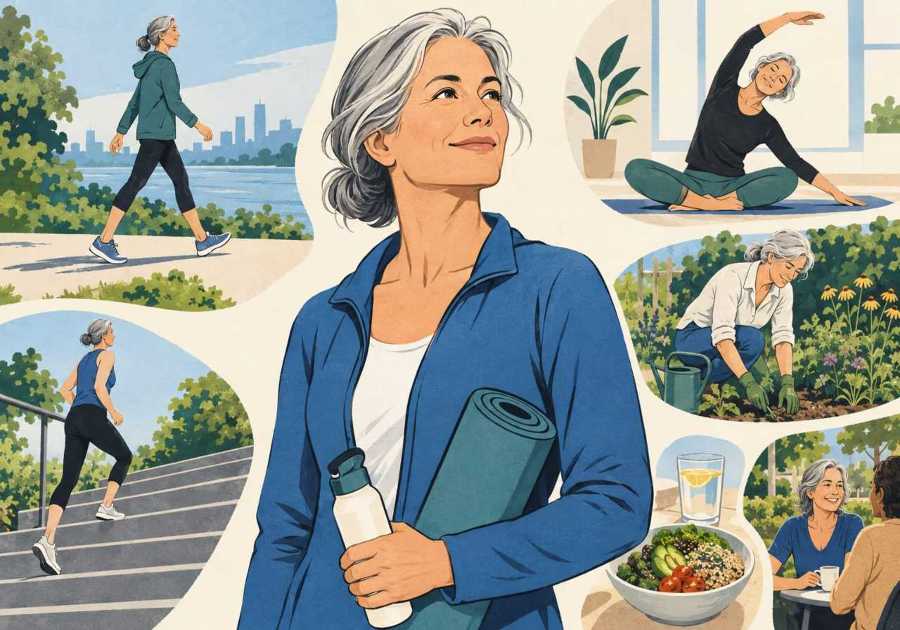
The researchers aren't saying you need to become an athlete. They're saying stay active, stay connected to people, pay attention to your sleep and your inflammation and your blood work, and don't brush off a decline just because "that's what happens when you get older." Sometimes it is. Sometimes it's a nudge to change something.
Adventure has no age limit, but it does have a body attached to it. Take care of that body in your 50s, and your 70s, 80s, and beyond stay wide open. What's stopping you from starting today?
Source: National Geographic
Missed the last one? Red Ginseng Might Be the Closest Thing to a Reset Button for Aging