I used to think "gut health" was just marketing talk for yogurt companies. Then I started traveling full-time back in 2017, eating my way through markets in Mexico, street stalls in Southeast Asia, and farm stands in Portugal, and I noticed something. My body felt different depending on what I ate and where I ate it. That got me curious. Why does gut health keep showing up in every conversation about aging well?
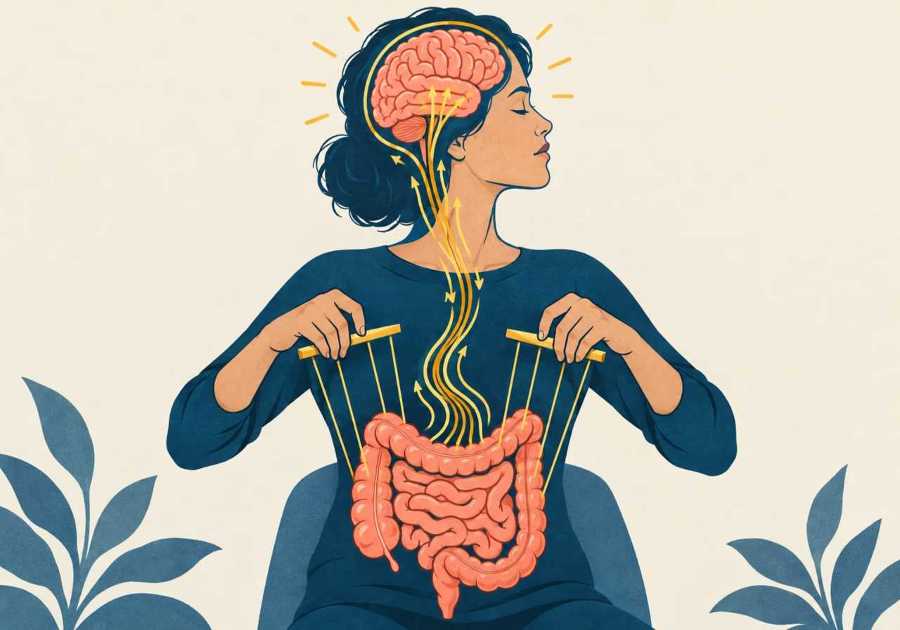
Turns out there's a good reason. Researchers are increasingly pointing to the trillions of microbes living in your digestive system as one of the biggest factors in how well you age. Not just how long you live. How well you live.
Why Your Gut Changes As You Get Older
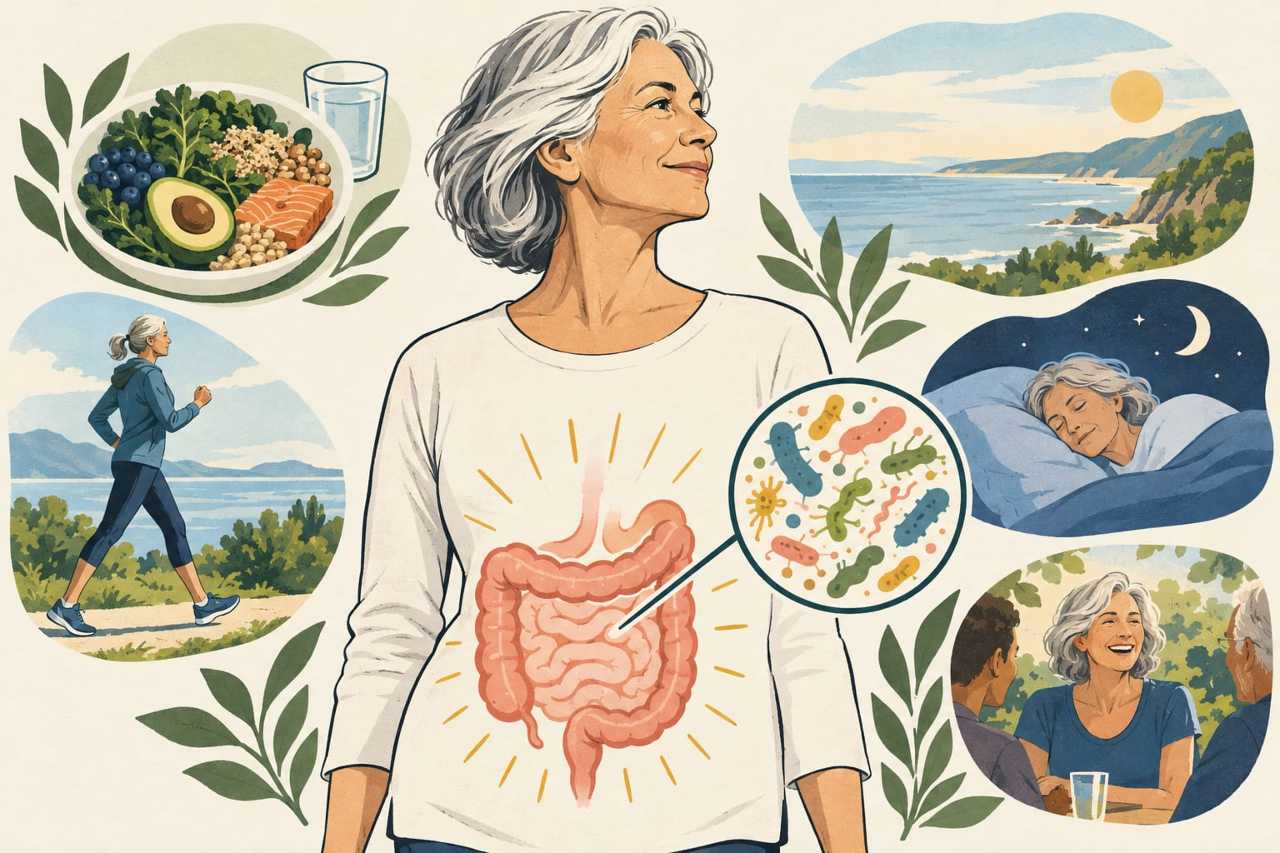
Here's something I didn't know until I started digging into this: the diversity of bacteria in your gut tends to shrink as you age. Fewer species, less resilience, more inflammation. That decline gets linked to everything from weaker immunity to slower recovery to brain fog.
So the question becomes obvious. If gut diversity drops naturally, can you do something about it?
The nutrition industry seems to think so, and it's putting real money behind that bet. Companies are racing to develop probiotics, prebiotics, and fiber-rich products specifically aimed at people over 50. Not the one-size-fits-all probiotic yogurt from twenty years ago. We're talking targeted formulations meant to rebuild microbial diversity as we get older.
What's Actually Driving This
A few things are converging here. People are living longer, which means more years spent either thriving or just getting by. Nobody wants the second option. At the same time, science has gotten a lot better at mapping what's actually happening inside our gut, which used to be a black box.
Put those together and you get a growing field: healthy aging through gut health. It's not a fad. It's a shift in how we think about getting older in the first place.
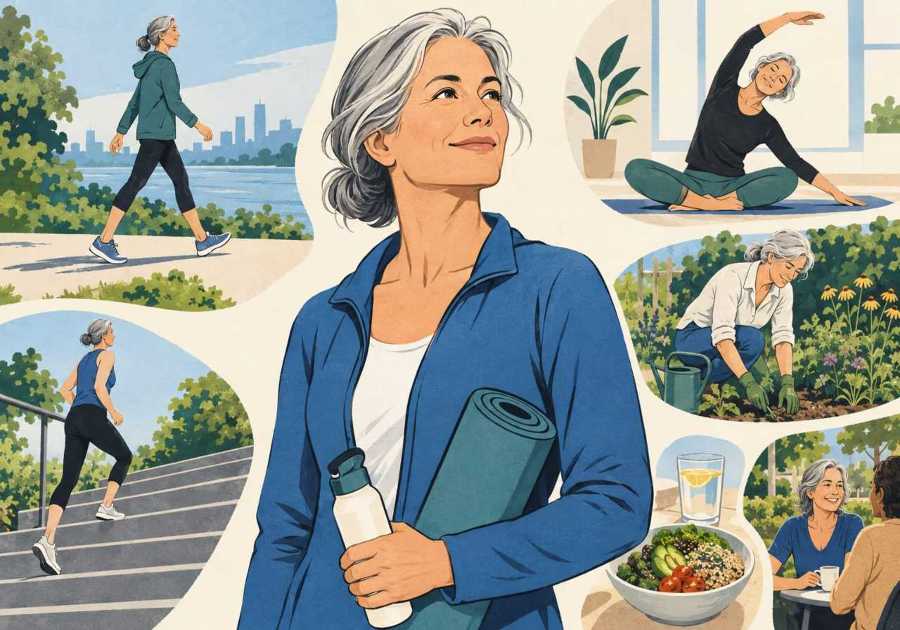
I like that shift. For years, aging got treated like a slope you slide down. Now there's a growing body of evidence saying you can influence the slope. You can flatten it, maybe even tilt it back up a little. That lines up with how I've tried to live the last several years. Almost 70 isn't a finish line. It's just a number that tells you how long you've been paying attention.
What This Means for You
You don't need a lab coat to apply any of this. Fiber matters. Fermented foods matter. Variety in your diet matters more than any single "superfood" ever will. A gut that sees kimchi, yogurt, lentils, and fifteen different vegetables in a week is going to behave differently than one that sees the same five foods on rotation.
I've noticed this firsthand on the road. The months I eat like a local, grabbing whatever's fresh and in season wherever I happen to be, I feel sharper and steadier. The months I fall back on convenience food because I'm tired or traveling fast, I feel it. Not dramatically. Just a quiet drop in energy that tells me something's off.
That's the real lesson buried in all this research. Gut health isn't abstract science happening somewhere else. It's a daily, practical thing you can experiment with yourself. What happens if you add one fermented food this week? What happens if you double the plant variety on your plate without changing the quantity? You don't need a clinical trial to find out. You just need curiosity and a willingness to pay attention to how you feel.
Where This Goes Next
Expect to see more products built around this idea: age-specific probiotics, fiber blends designed for microbial diversity, foods marketed less on taste and more on what they do inside you. Some of it will be genuinely useful. Some of it will be noise dressed up in science language. Your job is to stay curious enough to tell the difference.
Healthy aging isn't about chasing youth. It's about staying capable, curious, and ready for whatever's next. Your gut, it turns out, has a lot to say about whether you get there.
What's one thing you'll try feeding yourself differently this week?
Source: Nutrition Insight
Catch up on our earlier post: How Much Protein Do You Actually Need as You Get Older? A New Research Review Says We've Had It Wrong