
Wellness after 40 often looks different than it did in earlier stages of life. At this point, many adults begin to care less about quick fixes and more about how they actually feel day to day. Energy matters. Sleep matters. Stress feels more physical. Recovery takes longer. The quality of daily life becomes harder to ignore. This is why wellness after 40 is not just about avoiding illness. It is about creating a lifestyle that supports strength, calm, purpose, balance, and overall well-being.
Many people think wellness is only about food or exercise, but it is much broader than that. True wellness includes sleep, stress management, emotional health, movement, relationships, daily habits, mindset, and the environment you live in. It includes the routines that help you feel more grounded and the choices that make life feel more manageable instead of more draining.
For adults over 40 and seniors, wellness is especially important because small lifestyle patterns often become more noticeable with age. Poor sleep may affect mood more strongly. Stress may feel harder to shake off. A cluttered schedule may leave less energy for recovery. Neglecting simple habits can make daily life feel heavier than it needs to be. On the other hand, supportive routines can improve energy, emotional resilience, clarity, and quality of life in very practical ways.
This guide explains what wellness after 40 really means, what habits matter most, how to create a healthier and happier lifestyle, and how small daily choices can support long-term well-being.
What Wellness Really Means After 40
Wellness is not just the absence of illness. It is the presence of support. It is how your daily life affects your body, mind, and emotional state. It is the difference between always feeling drained and feeling steady enough to handle life with more strength and peace.
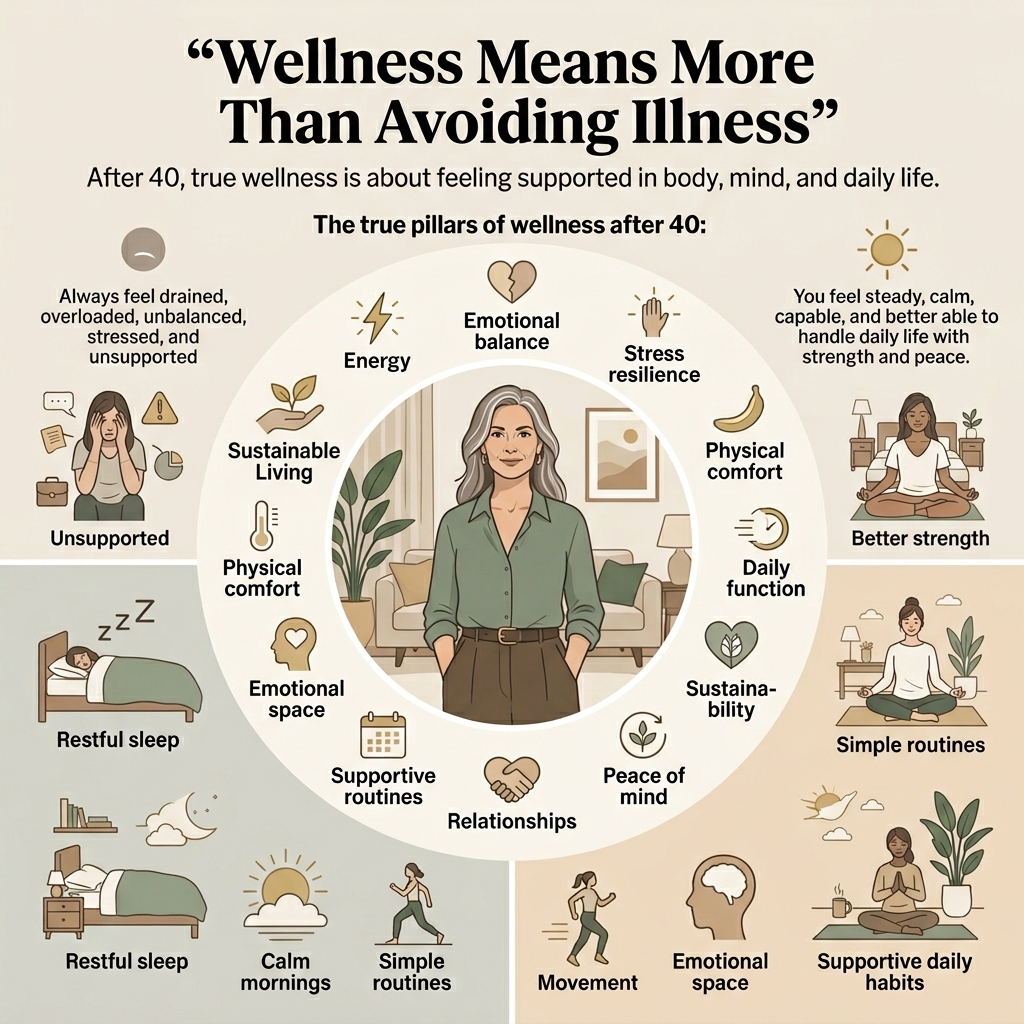
After 40, wellness often becomes more about function and sustainability than appearance alone. It means having enough energy for your responsibilities, enough stability to handle stress, enough emotional room to enjoy relationships, and enough physical support to move through daily life with more comfort. It is not about being perfect. It is about being better supported.
For a deeper look at this foundation, read what wellness really means after 40.
Why Lifestyle Matters More With Age
The body and mind often become less forgiving of poor routines over time. Skipping rest, ignoring stress, overloading your schedule, and living without recovery may have felt manageable in earlier years, but after 40 those patterns often become harder to sustain. Many adults begin to notice that the way they live each day has a stronger effect on sleep, mood, energy, digestion, patience, and overall resilience.
This is why wellness should be treated as a lifestyle issue, not just a list of health tips. Better routines often create better outcomes. A calmer morning may reduce stress. More consistent sleep may improve patience and focus. A little movement may improve mood. A more organized home may reduce mental clutter. Simple changes can create meaningful relief.
The Foundations of Senior Lifestyle and Wellness
Sleep and Recovery
Sleep is one of the most important parts of wellness because it affects almost everything else. Poor sleep can lower energy, increase irritability, weaken focus, and make healthy choices feel harder. Recovery also includes rest, downtime, and the ability to stop pushing before burnout takes over.
Stress Management
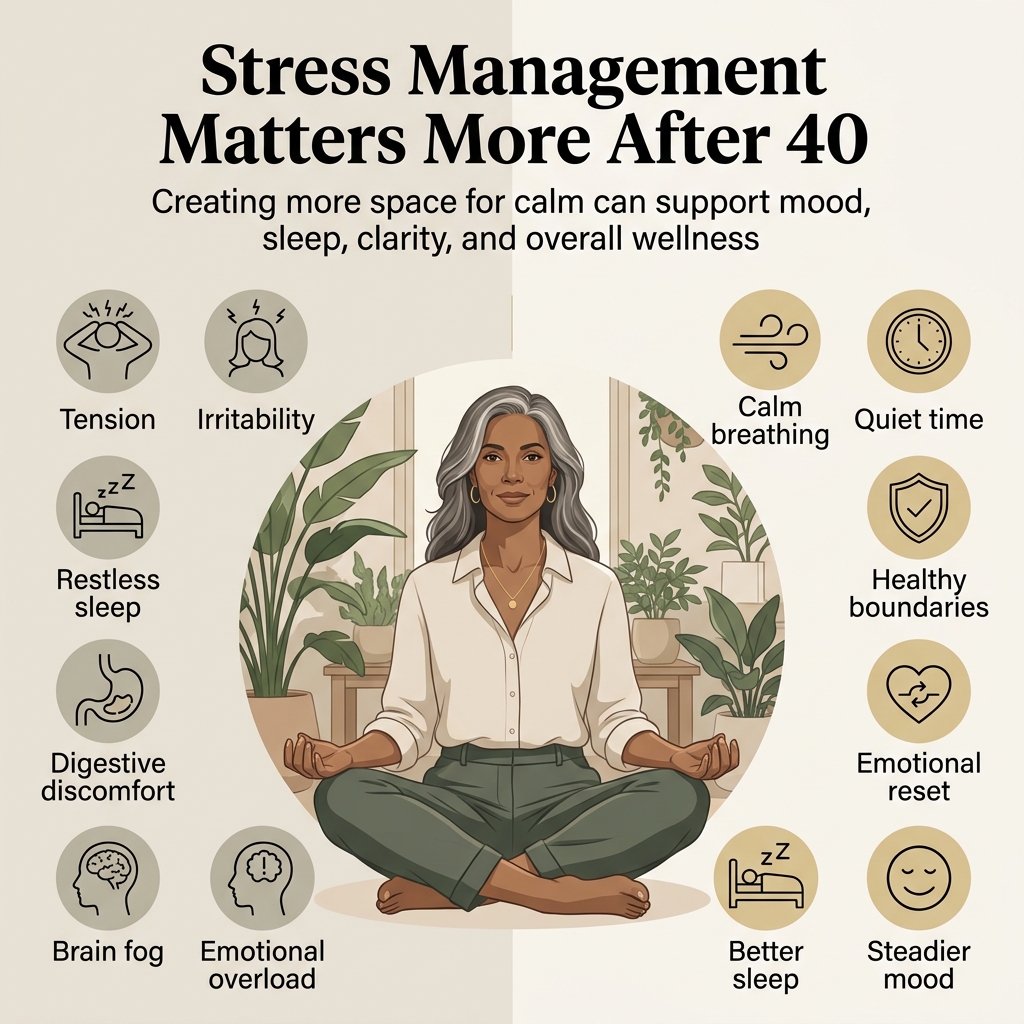
Stress is part of life, but unmanaged stress can quietly wear down the body and mind. It can affect mood, sleep, patience, digestion, and mental clarity. Wellness after 40 often improves when adults create more space for calm, boundaries, and emotional reset.
Daily Movement
Wellness does not require intense exercise to benefit from movement. Walking, stretching, light activity, and regular movement breaks can all help support better energy, better mood, and a more capable body.
Emotional Well-Being
How you feel emotionally matters. Wellness includes feeling less overwhelmed, more supported, and more able to enjoy daily life. Emotional health is shaped by relationships, boundaries, rest, purpose, and how you speak to yourself.
Environment and Routine
The spaces you live in and the routines you repeat each day affect your wellness more than people often realize. Clutter, chaos, disorganization, and constant rushing can drain energy. Simpler systems and calmer routines can help daily life feel lighter.
Self-Care Is Part of Wellness, Not a Luxury
Many adults think of self-care as optional, but after 40 it often becomes one of the most practical parts of staying well. Self-care is not only about pampering. It includes the habits that keep you functional, steady, and less overwhelmed. Eating meals on time, drinking enough water, taking quiet time, saying no when needed, resting properly, and protecting sleep are all forms of self-care.
For practical ideas, read simple self-care habits for older adults.
Wellness Is Built Into Daily Life
One of the most important things to understand about wellness is that it is built through ordinary days. It is not created by one good weekend, one productive morning, or one inspiring decision. It is shaped by what happens repeatedly. The way you start the day, how you eat, how much you move, how you handle stress, how much rest you allow, and how supported your environment feels all contribute.

This is why improving quality of life often begins with small adjustments instead of big reinventions. Making the day easier to live well in is often more effective than relying on motivation alone.
For practical ways to make life feel better day to day, read how to improve your daily quality of life naturally.
What a Healthy, Happy Lifestyle Looks Like After 40
A healthy and happy lifestyle after 40 is usually one that feels more balanced than extreme. It might include sleeping on a more regular schedule, moving your body most days, keeping meals simple and nourishing, reducing unnecessary stress, making time for meaningful relationships, and protecting space for rest and quiet.
It also includes routines that fit real life. Adults tend to do better when wellness habits are simple enough to repeat even on busy days. A short walk. A calmer bedtime routine. A more realistic schedule. Drinking more water. Keeping a cleaner living space. These habits may sound basic, but they often create the biggest improvements.
Wellness for Busy Adults Over 40
One of the biggest barriers to wellness is the belief that it requires a lot of free time. Many adults over 40 are balancing work, caregiving, family demands, and responsibilities that leave little room for elaborate routines. That is why the best wellness routines are often the ones that work under real-life pressure.
Wellness does not need to be time-consuming to be effective. A brief morning routine, a short walk, a few quiet minutes before bed, better meal consistency, and small moments of recovery can all make a difference. For more practical ideas, read best wellness routines for busy adults over 40.
When Life Feels Harder Than It Should
Sometimes poor wellness shows up as a vague sense that life feels heavier than it should. You may feel constantly tired, mentally crowded, emotionally thin, impatient, disconnected, or less able to enjoy things that once felt simple. Those feelings do not always mean something is seriously wrong, but they often mean something in daily life needs more support.
That support may come from better sleep, less overload, more boundaries, more movement, more connection, or a simpler routine. Paying attention to these signals is part of living well.
A Simple Wellness Plan After 40
A practical wellness plan after 40 might include going to bed more consistently, moving every day in some small way, drinking enough water, protecting a few quiet moments, creating a calmer living space, limiting unnecessary commitments, and checking in with your emotional state more honestly.
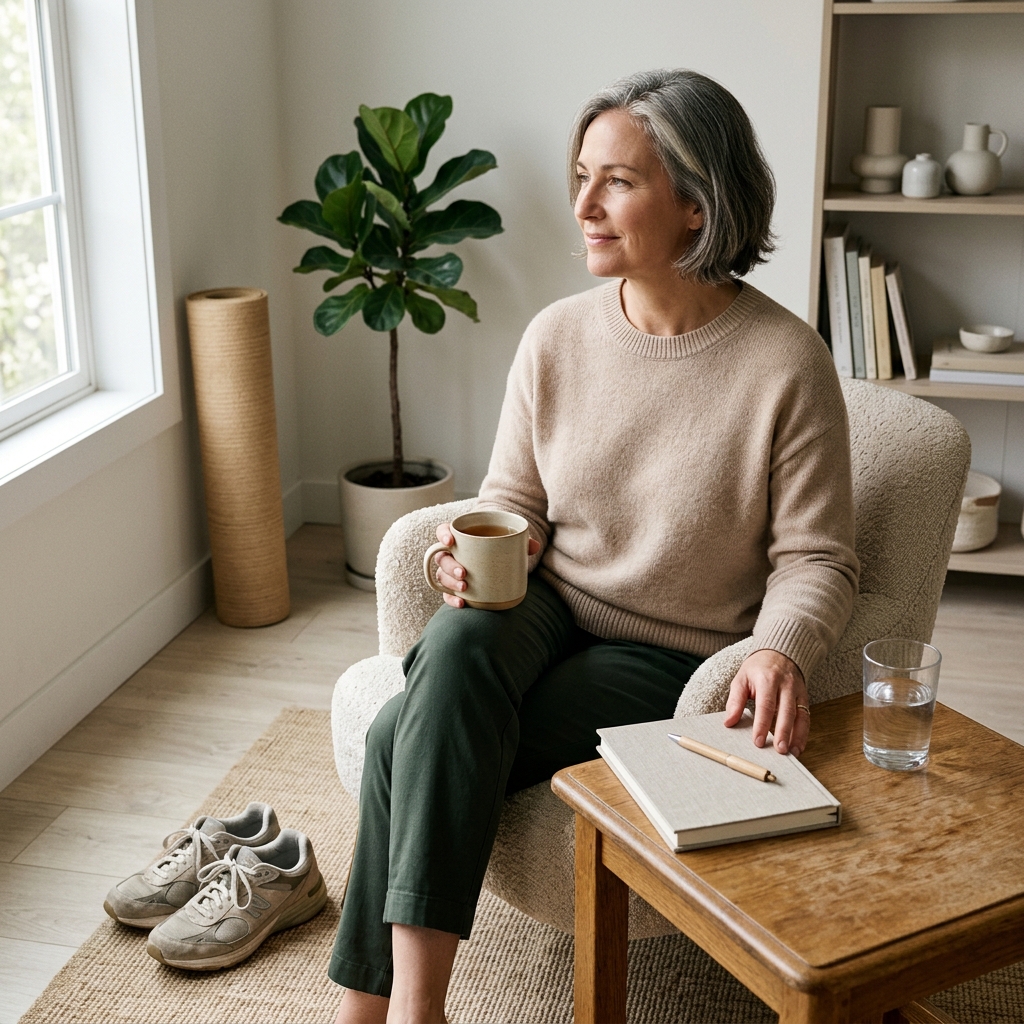
This kind of plan may not look dramatic, but it helps daily life feel more supportive. That is the real goal of wellness. It is not to impress anyone. It is to make life feel better to live.
Final Thoughts
Wellness after 40 is not about perfection, image, or trends. It is about support. It is about creating a healthier, happier lifestyle that gives your body and mind a better chance to function well. Sleep, self-care, movement, stress management, emotional well-being, and realistic routines all matter.
You do not need to overhaul everything at once. Start with one or two changes that make daily life feel a little lighter and more manageable. Over time, those changes build a lifestyle that supports calm, energy, resilience, and quality of life.
The best wellness plan is the one that helps you feel more like yourself again.
Frequently Asked Questions
What does wellness after 40 really mean?
Wellness after 40 means creating daily routines and habits that support energy, sleep, emotional balance, stress management, and overall quality of life.
Why does wellness matter more after 40?
Wellness matters more after 40 because sleep, stress, recovery, and daily habits often affect the body and mind more strongly as people get older.
What are the foundations of wellness after 40?
The main foundations include sleep, recovery, stress management, movement, emotional well-being, supportive routines, and a healthier daily environment.
How can adults over 40 improve wellness naturally?
Adults over 40 can improve wellness naturally by getting better sleep, creating calmer routines, moving daily, practicing self-care, and reducing unnecessary stress.